
Birth Control and the Lifestyle: Options Couples Use
/ Health, Safety & PrivacyThis guide explains how couples who play with others think about pregnancy prevention, and how that differs from protecting against infections. It covers the broad method categories, the conversations that matter, and what to agree before anyone undresses.
Birth control is a quiet topic in the lifestyle. Most couples talk at length about testing and condoms, then assume pregnancy is handled. That assumption can leave gaps, especially when more than two people are involved.
Nothing here replaces medical advice. Every method has details that depend on your bodies and your health history. Treat this page as a map for the conversation, then ask a clinician to help you choose.
Two Different Goals: Pregnancy and Infections
Preventing pregnancy and preventing infections are separate jobs. A method can do one very well and do nothing for the other. Couples who mix the two up often feel protected when they are only half protected.
Only barrier methods, such as external and internal condoms, reduce the risk of sexually transmitted infections. Hormonal methods, long-acting devices and permanent procedures prevent pregnancy only. They offer no protection against infections passed between partners.
This matters more in group settings. A new partner may be on reliable birth control and still carry an infection neither of you knows about. The reverse is also true. A person with a clear test result can still become pregnant.
Many experienced couples pair a pregnancy method with barriers for play outside the relationship. The site's guide to safer sex practices for swingers covers the barrier side in detail. This page stays focused on pregnancy.
Why Birth Control Deserves Its Own Conversation
Many couples settled their birth control years before they opened their relationship. The method made sense for two people. It may not fit a life that now includes other partners, other schedules and other risks.
The lifestyle also adds people whose choices you cannot see. A play partner's method, or lack of one, affects the outcome as much as yours does. That is a reason to talk openly rather than assume.
A pregnancy from play raises questions most couples would rather answer calmly in advance. Who would be involved in decisions? What would each of you want? These are heavy topics, and they are easier to face before a night out than after.
Couples who talk about this early usually report less anxiety at events. They know their plan, so they can relax and pay attention to each other.
The Broad Categories of Methods
Birth control falls into a handful of broad groups. Each works in a different way and suits different people. The descriptions below stay general on purpose. Effectiveness, side effects and suitability are questions for a clinician.
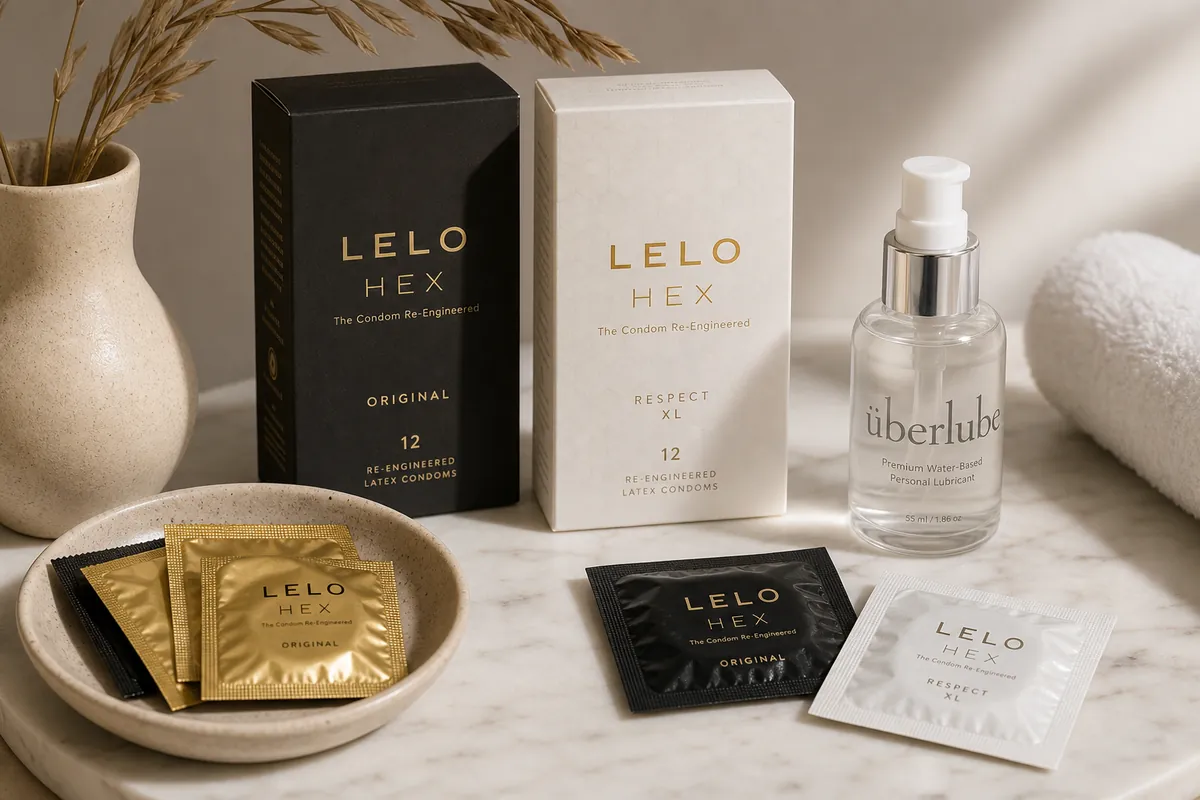
- Barrier methods physically block contact during sex. Condoms are the most familiar, and they are the only group that also reduces infection risk.
- Hormonal methods use hormones to prevent pregnancy. They come in several forms, some taken on a schedule and some placed by a clinician.
- Long-acting methods are placed once and work for an extended period. Some contain hormones and some do not.
- Permanent methods are procedures intended to end fertility for good. They suit people who are certain they want no future pregnancies.
- Emergency options are used after sex when a primary method failed or was missed. They are a backup, not a routine plan.
Some methods depend on daily or regular attention. Others work in the background once they are in place. Your routines, travel and event calendar may make one style easier to live with than another.
Methods are also used by different partners. Some belong to the person who could become pregnant. Others belong to the partner who could cause a pregnancy. A clinician can explain which options fit each of you.
How Couples Match a Method to Their Life
There is no single right choice for lifestyle couples. The best method is one you understand, use correctly and feel comfortable with. That looks different for every couple.
Some questions help frame the visit to a clinician. How often do you play, and with how many partners? Do you want children in the future, or never? Do either of you have health conditions that limit options?
Consistency matters as much as the method itself. A method that relies on a schedule can slip during a weekend away or a late night at a party. Be honest with your clinician about how structured your life actually is.
Your choice can change over time. A method that worked when you first opened up may not fit years later. Many couples revisit the question during routine checkups.
Talking About It as a Couple
Start the conversation privately, away from any event. Share what each of you would want if a pregnancy happened. Be honest, even when the answers differ.
Decide who carries which responsibility. One partner may manage a method while the other always brings condoms. Clear roles prevent the quiet assumption that the other person took care of it.
Put your decisions into your safer sex agreement. That agreement already covers testing and barriers for many couples. Adding pregnancy prevention keeps everything in one place you both understand.
Trust is the foundation here. If either of you feels unsure about the other's follow-through, pause and talk it through. The guide on building trust before opening your relationship covers that groundwork. If you stay stuck, a counselor can help.
Talking About It With Play Partners
Birth control belongs in the same pre-play conversation as testing and boundaries. Bring it up plainly, the way you would ask about recent results. Most experienced people expect the question and answer it without fuss.
Keep the conversation factual and respectful. You are sharing your own plan and asking about theirs. You are not asking for private medical details they do not want to share.
A partner's method does not replace your own agreements. If your rule is condoms for all play outside the couple, that rule stands regardless of what anyone else uses. A partner who resists stated boundaries is giving you useful information.
Talk sober and before play begins. A partner's enthusiastic consent depends on knowing the plan. Nobody should learn the protection rules halfway through an encounter.
Hosts and Group Settings
Many hosts provide condoms at parties, and some post house rules about barrier use. That does not mean anyone has discussed pregnancy with you. Bring your own supplies and have your own conversations.
What to Agree If a Condom Breaks
Condoms can break or slip, even with careful use. A calm plan made in advance turns a stressful moment into a set of simple steps. Agree on it before you ever need it.
- Stop play right away and tell everyone involved.
- Decide in advance who contacts whom, and how, in the following days.
- Agree to ask a clinician or pharmacist about emergency options promptly.
- Plan for follow-up infection testing on the timeline a clinician recommends.
- Talk as a couple once things settle, without blame.
Timing matters with emergency options, so do not wait to see how things go. A clinician or pharmacist can explain what is available and how soon it needs to be used. Ask them about any detail rather than relying on a friend's advice.
A broken condom is also an infection question. The site's guide to STD testing for swingers explains how couples build testing into their routine. Your clinician can advise when a follow-up test makes sense.
Afterward, check in with each other emotionally. An accident can shake confidence even when everyone handled it well. The guide on emotional safety for couples offers ways to reconnect.
Common Assumptions That Leave Gaps
Several quiet assumptions cause most of the surprises couples describe. None of them are unusual. Naming them makes them easier to catch before they matter.
The first is that someone else has it covered. Each person in a group may assume another partner handled protection. Clear, spoken plans replace that guesswork.
The second is that a clear test result means no other risks remain. Testing speaks to infections, not pregnancy. A method choice speaks to pregnancy, not infections. Each answers only its own question.
The third is that age or past experience settles the matter. Fertility and health details vary from person to person. Only a clinician can speak to your own situation, so ask one rather than assuming.
The last is that a plan made years ago still fits. Relationships, partners and bodies change. Couples who revisit their agreements regularly tend to stay ahead of these gaps.
Seeing a Clinician to Choose
A clinician is the right person to help you choose a method. They can review your health history, explain how each option works and answer questions about effectiveness and side effects. This page cannot do that.
Be open about your lifestyle during the visit. Clinicians hear about multiple partners regularly, and the information shapes better advice. If a provider responds with judgment, you are free to find another one.
Many couples combine the birth control visit with routine STI testing. One appointment can cover both goals. That keeps your health care simple and your agreements current.
Bring your questions written down. Ask about how a method fits your schedule, what to do if a dose or step is missed, and what backup to use. Ask about emergency options too, so you know your plan before you need it.
Questions Couples Ask
Does birth control protect against STIs?
No. Hormonal, long-acting and permanent methods prevent pregnancy only. Barrier methods such as condoms are the only group that also reduces infection risk.
Do lifestyle couples use condoms even if one partner has other birth control?
Many do. Condoms add infection protection that other methods lack. Your own safer sex agreement decides what you use.
Is it fine to ask a play partner what birth control they use?
It is a reasonable question to raise in your pre-play talk, alongside testing. Keep it respectful and do not press for private medical details.
What should happen right after a condom breaks?
Stop, tell everyone involved and contact a clinician or pharmacist promptly about emergency options. Plan follow-up testing on the timeline they recommend.
Which birth control method is best for swingers?
No single method is best for everyone. A clinician can help you weigh options against your health, routine and future plans.
Is it awkward to tell a clinician about the lifestyle?
It may feel awkward at first, but honest details lead to better advice. If a provider responds with judgment, you can find another.
Join the West Coast Swingers Community
West Coast Swingers is a trusted educational resource for couples exploring the lifestyle. Visit westcoastswingers.com for more guides, or join the private community at members.westcoastswingers.com.
Email: info@westcoastswingers.com | https://westcoastswingers.com/
Final Thoughts
Pregnancy prevention and infection prevention are two separate plans, and lifestyle couples benefit from having both. Barriers cover part of the picture. A method chosen with a clinician covers the rest.
The conversations matter as much as the methods. Talk as a couple, talk with play partners and agree on what happens if something fails. For the wider picture, the guide to health and sexual wellness for swingers ties these habits together.
Free for couples
Get the Free Beginner’s Checklist for Couples
Eight steps from the first honest conversation to your first night out, plus new guides, club and event news, and new games. Unsubscribe any time.
Related Guides

STD Testing for Swingers: How Often, What to Test For, and Best Options
Health, Safety & Privacy / By Alex