
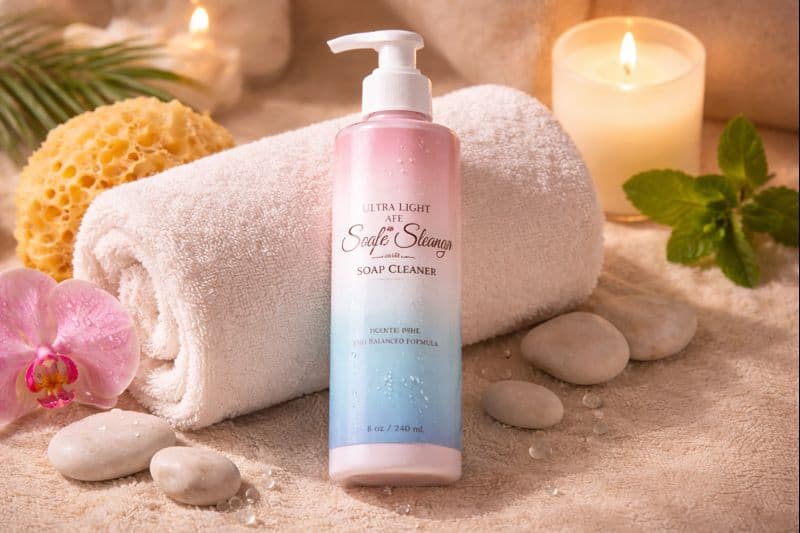
Sex toys are an investment in pleasure, connection, and exploration. Like any item that comes into close contact with the body, they require proper care to remain safe and enjoyable over time. Good maintenance is not about being overly cautious. It is about protecting comfort, confidence, and long-term use.
Proper maintenance is essential not only for extending the life of your toys, but also for protecting your health. Clean, well-cared-for toys reduce the risk of irritation, infections, and material breakdown. This becomes especially important in lifestyle and swinger settings, where toys may be used more frequently, shared between partners, or incorporated into multiple experiences.
Consistent cleaning and thoughtful storage also make play feel more relaxed. When you know your toys are clean, safe, and ready to use, it removes hesitation and distraction from the experience itself.
This guide covers sex toy maintenance best practices, including how to clean toys correctly, how to store them safely, and how to avoid common hygiene mistakes. The focus is practical, non-judgmental, and consent-first, helping couples and individuals enjoy toys with confidence, care, and peace of mind.
Why Sex Toy Maintenance Matters
Improperly cleaned or stored sex toys can harbor bacteria, degrade faster, and cause irritation or infection. Oils, bodily fluids, and moisture can break down materials over time and create environments where bacteria thrive. Even toys that look clean can hold residue if they are not maintained correctly.
In the swinger lifestyle, where hygiene and consent are foundational, toy care becomes even more important. Clean toys are part of respectful play. They protect everyone involved and help ensure that experiences remain positive, comfortable, and safe. Proper maintenance also supports clear consent, as partners can feel confident knowing toys are hygienic and cared for.
Good toy maintenance is also cost-effective. Well-maintained toys last longer, perform better, and remain safe to use, making maintenance an essential part of responsible play.
If you are new to lifestyle play, review safety and communication basics in Swinger Lifestyle 101. Understanding consent, boundaries, and hygiene together creates a strong foundation for enjoyable experiences.
Know Your Toy Materials
Cleaning methods depend on what your toys are made of. Understanding materials helps you care for them properly and choose the safest options for your needs. Not all materials respond the same way to water, soap, heat, or disinfectants.
Body-safe materials are generally non-porous, meaning they do not absorb fluids or bacteria when cleaned correctly. Porous materials, on the other hand, can trap residue and require more caution.
Body safe non porous materials:
-
- Silicone
High-quality silicone is durable, flexible, and easy to clean. It is one of the safest and most popular materials for sex toys.
- Silicone
-
- Stainless steel
Metal toys are completely non-porous and can be sanitized thoroughly. They are long-lasting and easy to maintain.
- Stainless steel
-
- Glass
Tempered glass toys are smooth, non-porous, and resistant to staining. They can be cleaned effectively and safely when handled properly.
- Glass
-
- ABS plastic
ABS plastic is rigid, non-porous, and commonly used in toy casings and bullet-style toys. It is generally safe when cleaned correctly.
- ABS plastic
These materials are easier to clean and safer for shared use when sanitized correctly. They are recommended for couples and lifestyle settings where hygiene is a priority.
Porous materials:
-
- Jelly rubber
Often inexpensive, jelly rubber can absorb fluids and odors. It breaks down faster and is harder to fully sanitize.
- Jelly rubber
-
- TPR and TPE
These materials are softer and more flexible but are porous. They require careful cleaning and may still retain bacteria over time.
- TPR and TPE
-
- Soft plastics
Soft plastics vary widely in quality and porosity, making them less reliable for long-term or shared use.
- Soft plastics
Porous toys require extra care and are not recommended for shared internal use. Using condoms on porous toys can reduce risk, but non-porous, body-safe materials are the safest choice for hygiene, longevity, and peace of mind.
How to Clean Sex Toys Properly
After every use:
Clean toys immediately after use to prevent bacteria buildup. Residue from bodily fluids, lubricants, and oils can settle into seams, textures, or moving parts if left too long. Prompt cleaning protects both the toy material and your body.
Cleaning right away also makes the process easier. Dried residue is harder to remove and more likely to affect performance or hygiene.
Basic cleaning steps:
-
- Use warm water and mild unscented soap
Gentle, fragrance-free soap reduces the risk of irritation and material breakdown. Avoid harsh detergents or antibacterial soaps unless specifically recommended.
- Use warm water and mild unscented soap
-
- Clean all surfaces thoroughly
Pay attention to seams, textured areas, and crevices where residue can collect. Use clean hands or a soft cloth rather than abrasive tools.
- Clean all surfaces thoroughly
-
- Avoid submerging toys with motors unless waterproof
Check whether the toy is fully waterproof or only splash-resistant. Submerging non-waterproof toys can damage internal components.
- Avoid submerging toys with motors unless waterproof
-
- Rinse completely to remove residue
Soap residue can cause irritation and degrade materials over time. Rinse until the surface feels clean and slick-free.
- Rinse completely to remove residue
Using toy cleaners
Specialized toy cleaners are convenient, but soap and water are often just as effective for non porous toys. Toy cleaners can be useful for quick cleaning or travel, but they should still be followed by proper drying and storage.
Always verify that the cleaner is compatible with your toy's material.
Deep Cleaning and Sanitizing
For toys used in group play, deeper sanitizing is recommended. While regular cleaning removes surface residue, sanitizing helps reduce bacteria and provides extra reassurance in shared-use situations.
Deeper cleaning should be done periodically or whenever toys are shared.
-
- Boil silicone, glass, or steel toys if manufacturer allows
Boiling for a few minutes can effectively sanitize non-porous toys, but only if the toy is specifically rated for boiling.
- Boil silicone, glass, or steel toys if manufacturer allows
-
- Use a 10 percent bleach solution for non porous toys when appropriate
A diluted bleach solution can sanitize hard, non-porous surfaces. Rinse thoroughly afterward to remove all chemical residue.
- Use a 10 percent bleach solution for non porous toys when appropriate
-
- Allow toys to air dry completely
Moisture trapped during storage can encourage bacterial growth. Air drying ensures toys are fully dry before storage.
- Allow toys to air dry completely
Always check manufacturer guidelines before boiling or sanitizing. Not all toys can handle heat or chemical exposure safely.
Cleaning Toys Between Partners
In lifestyle settings, toys should be cleaned or covered between partners. This is a basic hygiene and consent practice that protects everyone involved.
-
- Use condoms on toys during group play
Condoms create a barrier that simplifies cleaning and reduces cross-contamination.
- Use condoms on toys during group play
-
- Change condoms between partners
A new condom should be used for each partner to maintain hygiene and respect boundaries.
- Change condoms between partners
-
- Wipe and sanitize external toys as needed
For toys used externally, wiping with approved cleaners or sanitizing wipes between partners helps maintain cleanliness during play.
- Wipe and sanitize external toys as needed
Consistent cleaning between partners supports health, comfort, and trust. Clear hygiene practices are part of responsible, respectful lifestyle play.
For consent and safety guidance, see Consent in Swinging.
Proper Sex Toy Storage
How you store toys matters just as much as how you clean them. Proper storage protects toy materials, prevents contamination, and helps toys last longer. Poor storage can undo good cleaning habits by allowing moisture, dust, or material reactions to cause damage.
Thoughtful storage also supports discretion and peace of mind, especially for couples with shared spaces or frequent use.
Storage best practices:
-
- Store toys in breathable fabric bags
Fabric storage bags allow airflow while protecting toys from dust. Avoid airtight plastic containers unless toys are completely dry.
- Store toys in breathable fabric bags
-
- Keep toys separated to avoid material reactions
Some materials can react with each other when stored together, leading to melting, discoloration, or stickiness. Individual storage prevents this.
- Keep toys separated to avoid material reactions
-
- Avoid extreme heat or sunlight
Heat and UV exposure can degrade materials, weaken motors, and shorten battery life. Store toys in a cool, shaded place.
- Avoid extreme heat or sunlight
-
- Ensure toys are fully dry before storage
Even small amounts of moisture can encourage bacterial growth or cause material breakdown over time.
- Ensure toys are fully dry before storage
Good storage habits keep toys hygienic, functional, and ready for use without extra preparation.
Battery and Charging Safety
Rechargeable toys should be stored with some battery life and charged according to manufacturer instructions. Proper battery care extends the lifespan of the toy and reduces safety risks.
Charging practices matter just as much as cleaning when it comes to long-term maintenance.
-
- Do not overcharge
Leaving toys plugged in longer than recommended can reduce battery efficiency and increase wear.
- Do not overcharge
-
- Avoid charging on flammable surfaces
Charge toys on hard, non-flammable surfaces to reduce risk from heat buildup.
- Avoid charging on flammable surfaces
-
- Inspect charging cables regularly
Damaged or frayed cables can pose safety risks and affect charging performance. Replace cables if they show wear.
- Inspect charging cables regularly
Following charging guidelines keeps toys reliable and safe for repeated use.
When to Replace Sex Toys
Even with proper care, toys do not last forever. Materials break down, motors wear out, and hygiene can be compromised over time. Knowing when to replace a toy is part of responsible maintenance.
Replace toys if you notice:
-
- Cracks or peeling material
Damage creates spaces where bacteria can hide and increases the risk of irritation or injury.
- Cracks or peeling material
-
- Persistent odors
Odors that remain after thorough cleaning often indicate material breakdown or trapped bacteria.
- Persistent odors
-
- Discoloration
Changes in color can signal degradation or chemical reactions within the material.
- Discoloration
-
- Malfunctioning motors
Inconsistent vibration, overheating, or loss of power are signs the toy is no longer safe or reliable.
- Malfunctioning motors
Replacing worn toys protects both comfort and health.
Common Sex Toy Maintenance Mistakes
Many toy-related issues come from simple, avoidable habits. Awareness helps prevent unnecessary risk and expense.
-
- Skipping cleaning after use
Delaying cleaning allows residue to settle and bacteria to grow.
- Skipping cleaning after use
-
- Storing toys while damp
Moisture encourages bacterial growth and material damage.
- Storing toys while damp
-
- Sharing porous toys
Porous materials cannot be fully sanitized and should not be shared internally.
- Sharing porous toys
-
- Ignoring manufacturer instructions
Each toy has specific care requirements. Skipping them increases the risk of damage or injury.
- Ignoring manufacturer instructions
Consistent care, proper storage, and timely replacement keep sex toys safe, hygienic, and enjoyable for long-term use.
Maintaining Toys in Lifestyle Play
Couples who attend parties or engage in group play benefit from having a consistent maintenance routine. In lifestyle settings, toys may be used more frequently, shared between partners, or introduced into dynamic environments. A clear routine reduces uncertainty, protects health, and reinforces mutual trust and respect.
Maintenance in lifestyle play is not just about cleanliness. It is also about consent and transparency. Knowing that toys are cleaned, sanitized, and handled responsibly helps everyone feel comfortable participating.
A strong routine often includes cleaning toys before leaving for an event, bringing supplies such as condoms, wipes, and storage bags, and cleaning toys again immediately after use. Some couples also label or separate toys intended for shared play versus personal use to avoid confusion.
Open communication matters here as well. Talking with partners about hygiene practices and expectations is part of respectful lifestyle etiquette. When toy maintenance is treated as a normal, responsible practice, it supports safer, more relaxed, and more enjoyable group experiences for everyone involved.
For toy selection guidance, revisit Best Sex Toys for Swinger Couples in 2026.
Final Thoughts
Sex toy maintenance is an essential part of responsible pleasure. Caring for toys properly is not about being overly cautious or clinical. It is about protecting health, honoring consent, and ensuring that pleasure remains stress-free and enjoyable over time.
With proper cleaning, storage, and safety habits, toys remain hygienic, functional, and ready whenever you are. Good maintenance also builds confidence, especially in lifestyle or shared-play settings, where trust and responsibility matter just as much as desire. When toy care becomes routine, it removes hesitation and allows you to focus fully on connection and enjoyment.
Want to explore more ways to enhance intimacy and lifestyle play? Return to our complete gear guides to learn how to choose, use, and care for accessories that support communication, comfort, and confident exploration.
Explore Toys and Bedroom Gear
