Swinging After 50: Real Advice for Couples Who Started Later
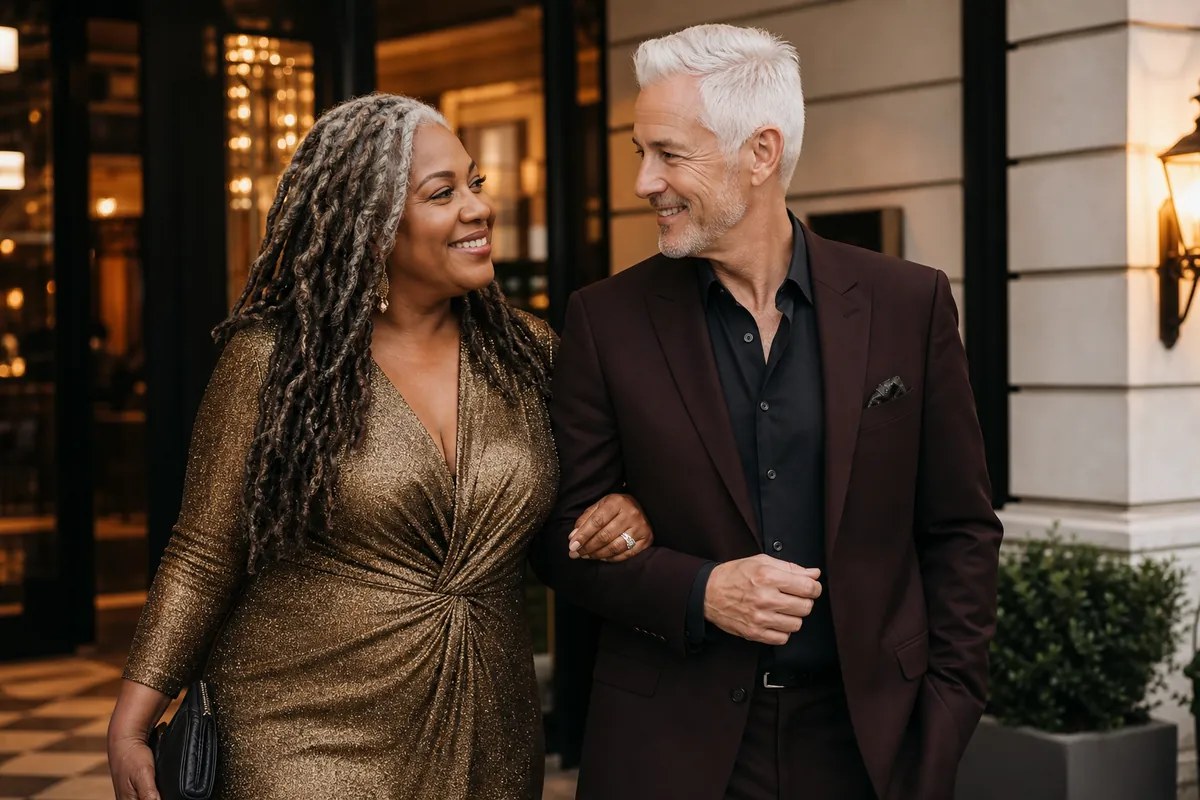
/ Inclusivity & IdentityCouples who discover the swinging lifestyle after 50 often say the same thing: they wish they had found it sooner, and also that they are glad they found it when they did. Both of those things can be true at once. There is genuine grief in recognizing something might have been good for you earlier in life. But there are also real advantages that come specifically with arriving at the lifestyle with decades of relationship experience, emotional self-knowledge, and a settled sense of who you are. The community is older than most people expect, and couples starting in their 50s are far from alone or out of place.
This article is written directly to couples considering or newly exploring the lifestyle after 50. Not as a summary of what younger people do, but as practical guidance for the specific advantages and challenges that come with starting later. If you have been curious for years or if this is a brand new idea, what follows is grounded in what the lifestyle actually looks like for people in this age range.
Why the Lifestyle Actually Works Better for Many Couples After 50
One of the most consistent observations from long-term lifestyle participants is that the couples who navigate it most skillfully tend to be older. Not always, but often. The reason is not complicated: the lifestyle requires good communication, emotional maturity, genuine security in the relationship, and the ability to hold complexity without falling apart. These are things that tend to develop with age and experience. A couple in their 30s who is still sorting out who they are and what they want from their relationship is managing a harder challenge when they add lifestyle exploration to the mix. A couple in their 50s who knows their relationship thoroughly, knows their individual triggers, and has built real trust over decades has a much more stable foundation to work from.
The other thing that changes with age is how much you care about external validation. Many people in their 30s are still significantly driven by what others think of them, what their bodies look like, what social category they fit into. By 50, most people have developed enough self-knowledge to be genuinely less concerned with approval and more focused on actual experience. That shift matters enormously in a lifestyle that involves vulnerability, new bodies, and social situations that are outside the mainstream. The ability to feel okay about yourself regardless of whether a particular encounter happens is a real asset.
Empty nesting is a practical factor too. Couples over 50 with grown children have, in many cases, reclaimed the kind of privacy and scheduling flexibility that younger parents find almost impossible to maintain. Date nights that do not require babysitter logistics, weekends away that do not involve school schedules, and the simple ability to have a conversation at home without managing small children create a foundation for the social and sexual exploration the lifestyle requires.
Body Image Challenges and Why They Matter Less Than You Fear
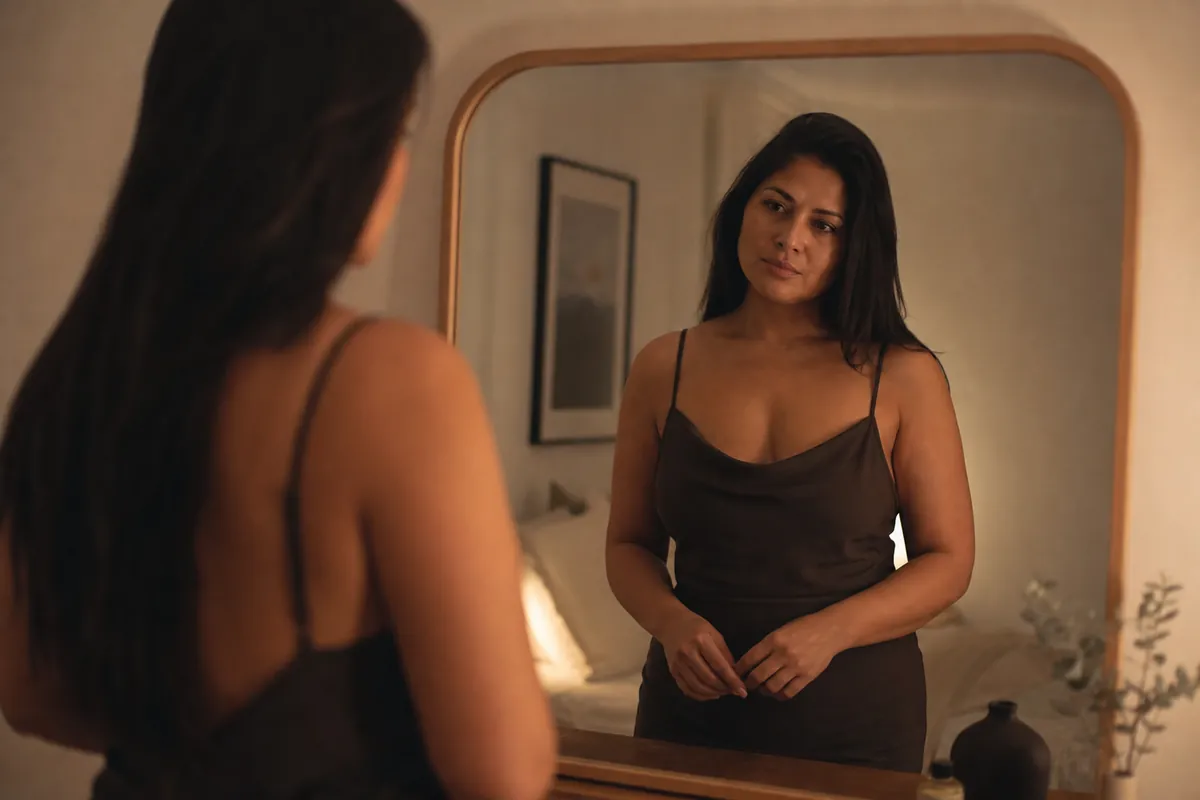
If you are 52 and looking at lifestyle community photos online, you will find a range of body types, ages, and appearances that is considerably more diverse than mainstream pornography or media would suggest. The swinging community has always skewed older than people expect, and it has always been more body-accepting than the broader culture. That is not wishful thinking. It is a practical outcome of a community in which the goal is genuine connection and enjoyment, not performance for an external audience.
Bodies in their 50s look different from bodies in their 30s, and most people in the lifestyle are not surprised by that. What they are responding to is energy, confidence, enthusiasm, and genuine interest in the other person. Couples who approach the lifestyle with warmth, good humor, and genuine enthusiasm for connecting with other people are attractive in the ways that actually matter in a lifestyle context, regardless of what they look like without clothes.
That said, body image concerns are real and deserve honest acknowledgment. Many people in their 50s carry years of messages about how their bodies should look and what they are worth if they do not measure up. Those messages do not disappear when you walk into a lifestyle setting. What you can do is prepare for the fact that your internal self-assessment is probably more critical than how other people will actually see you, and that the first few experiences of being in a lifestyle setting with a comfortable, non-judgmental atmosphere tend to do a lot of work on those old messages without requiring you to force the issue. Give it time and give yourself the benefit of the doubt about how you will actually feel once you are in a real setting rather than imagining it.
Physical Considerations: Health, Medications, and Endurance
Being honest about physical realities is part of approaching the lifestyle sensibly as an older adult. Many people over 50 take medications that affect sexual function, energy levels, or physical capacity in ways that matter in a lifestyle context. Erectile dysfunction medications are extremely common in the male-bodied lifestyle community and completely unremarkable. If you or your partner uses them, there is no reason to feel awkward about it, and bringing what you need is simply part of being prepared.
Hormonal changes in female-bodied partners, including reduced natural lubrication and changes in arousal and orgasm patterns, are also common and worth planning for. High-quality lubricant is not optional in later life for most people. It is a basic provision like condoms. Keep it with you and use it without self-consciousness.
Stamina and recovery time change with age, and adapting your expectations and your pacing to where your body actually is rather than where it was at 35 is both practical and important. This does not mean the sex is less good. It often means the sex is more focused, more skillful, and more about genuine pleasure rather than performance metrics. Lifestyle sessions that prioritize quality and connection over marathon duration are often the most satisfying ones, and older couples are frequently better at creating that kind of evening than younger ones who feel pressure to perform at length.
If you have health conditions that affect your physical capacity, discussing those with your doctor before active lifestyle exploration is worthwhile. Most conditions are manageable with the right information. What you do not want is to be managing an unexpected health issue in an unfamiliar social setting.
The Community Reality: Plenty of 50+ Couples in the Lifestyle
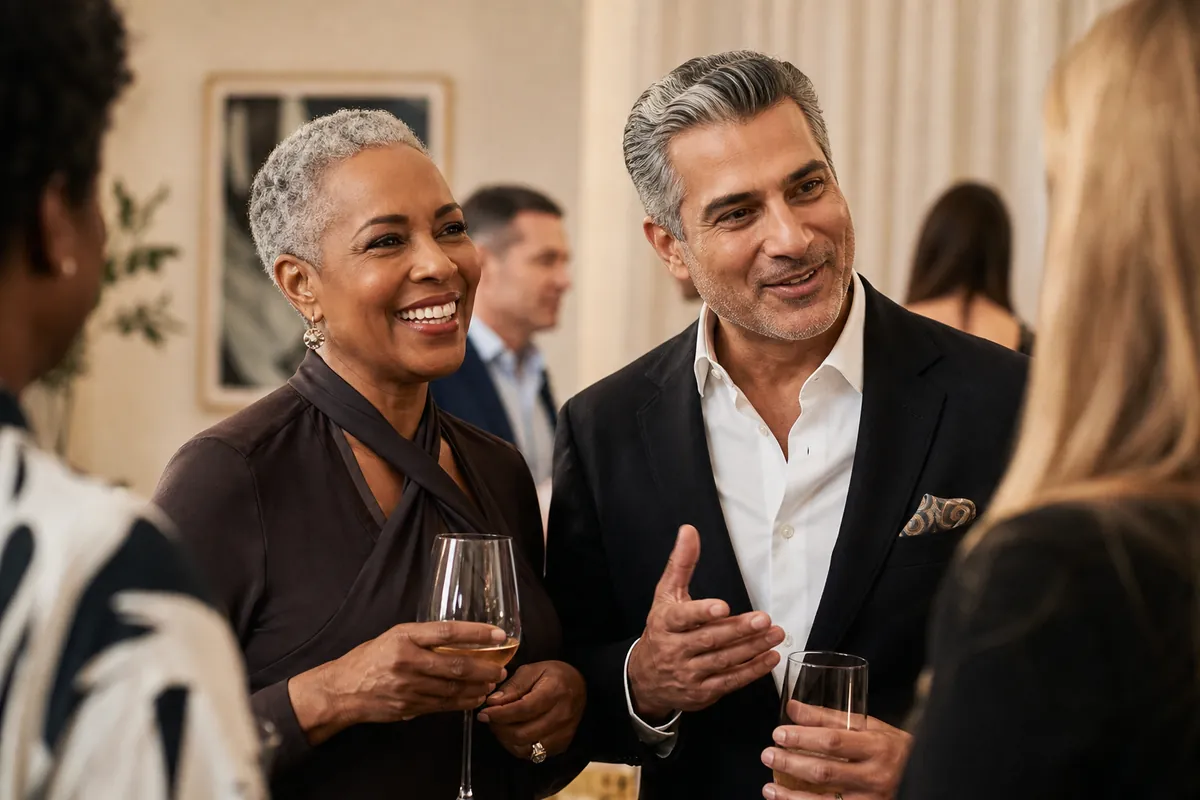
The lifestyle skews older than mainstream media suggests. Walk into most swinger clubs on a typical evening and you will find that a significant portion of the attendees, often the majority, are over 40. Couples in their 50s and 60s are a consistent and active part of the community, not outliers. The demographic reality of the lifestyle is much more favorable to later starters than the stereotype implies.
Online lifestyle platforms reflect this too. Couples in their 50s who post honest, warm, and well-written profiles typically receive a meaningful amount of interest. The demand for experienced, confident, drama-free couples does not disappear after a certain age. In many corners of the community, it increases. Couples who have been together long enough to be genuinely secure with each other, who communicate clearly, and who approach play with warmth and good manners are valued across all age ranges.
The social dynamics in the lifestyle are also generally more comfortable for older adults than the bar-and-club scene that younger people navigate. Lifestyle events tend to be hosted in private venues, are typically ticketed and managed, and attract people who are there intentionally rather than speculatively. The average age and maturity level of the room is higher than most social settings, which suits many 50+ couples better than the environments they might have navigated at a younger age.
Finding Venues and Events That Are Genuinely Welcoming to Older Couples
Not every lifestyle venue has the same culture, and doing some research before your first visit pays off. Most established lifestyle clubs in the United States welcome all ages of consenting adults. Some clubs do have younger-skewing atmospheres where 50+ couples may feel less at home, not because of any formal policy but because of the crowd they attract. The best way to assess a venue's culture is to read reviews from members, check the events calendar (some clubs host over-40 or over-50 specific nights), and if possible reach out to the venue directly to ask what the typical attendee age range is like.
Private house parties and couples-hosted events can be an excellent entry point for older couples because they tend to be smaller, more curated, and more socially oriented than large club nights. Finding these requires being connected to the community through platforms like the one we host, where members share invitations and organize events for people they have connected with and feel comfortable with.
Resort-based lifestyle events, including clothing-optional resorts and lifestyle-friendly travel destinations, tend to have particularly welcoming atmospheres for all ages. The pacing at resort events is more relaxed, the social expectations are lower-pressure, and the setting creates natural opportunities for comfortable conversation and gradual connection. Many 50+ couples find their best early lifestyle experiences at resort-style events rather than at clubs.
Communication Advantages Older Couples Typically Bring
Twenty or thirty years of navigating a relationship together produces something that cannot be faked or shortcut: a deeply shared language about how each person works emotionally, what their actual limits are versus their stated ones, and how to have hard conversations without it derailing into a fight. These are enormous assets in the lifestyle. The difficult conversations that new lifestyle couples struggle with - jealousy, unexpected emotions, processing a night that went differently than expected - are genuinely easier when both people have years of practice having hard conversations with each other and recovering from them.
Older couples also tend to be better at knowing what they actually want rather than what they think they should want. The social pressure to be a certain kind of person, to have certain kinds of preferences, to perform a particular version of open-mindedness is something many younger people are still working through. People in their 50s who have done any amount of self-reflection tend to know their own minds better, and that clarity makes lifestyle navigation cleaner. You can say yes to things you genuinely want and no to things you do not, without a lot of internal conflict about whether that makes you cool enough or adventurous enough.
The Experience Argument: Why the Sex Is Often Better
This point is worth stating directly rather than dancing around it. Decades of experience as a sexual person, with a long-term partner and potentially others before them, tends to produce a level of skill, attentiveness, and confidence that younger people simply do not have yet. Knowing your own body, knowing how to read and respond to a partner, knowing how to communicate during sex without breaking the mood, and knowing how to create an experience that actually satisfies both people are skills that develop with time and practice. They peak, for most people, well after 50.
The anxiety and performance pressure that young men and women often bring to sexual encounters tends to diminish with age for people who have done any psychological work on themselves. When you are not spending energy managing anxiety about whether you are doing it right, more of your attention is available for actually connecting with and enjoying the person you are with. That shift in attention from self-monitoring to genuine presence is often what other lifestyle participants notice about older partners: they are more there in the encounter than younger people sometimes are.
Children, Discretion, and Privacy Concerns for Older Couples
Couples over 50 often have adult children, professional reputations built over decades, and social networks that include people with conservative values who would react badly to knowing about their lifestyle participation. These are real concerns and they deserve practical attention rather than dismissal. Discretion in the lifestyle is not paranoia. It is sensible management of information in a society that still stigmatizes non-monogamy.
Adult children discovering their parents' lifestyle participation is a specific concern that 50+ couples mention. The consensus in the community is that this information belongs to you, not to your children, regardless of their age. Using separate devices or private browsing for lifestyle activity, being thoughtful about what social profiles show and who can see them, and maintaining a clear separation between your lifestyle social circle and your family social circle is standard practice. Our article on handling insecurity as a swinger touches on the privacy dimension of this, and it is worth reading for additional perspective.
Professional discretion follows similar principles. The lifestyle community is generally very privacy-conscious precisely because so many participants have professional lives to protect. You will find that other community members understand and share your privacy concerns, and that treating each other's privacy carefully is part of the social contract of the community.
Getting Started: Tips Specific to Later Starters
Start with the social before the sexual. The lifestyle has a rich social layer, and entering through that layer rather than diving directly into play situations is a particularly good strategy for 50+ couples who want to build genuine comfort and connection first. Attend a meet-and-greet, join online communities and have real conversations, and get to know what the community actually looks like before committing to a play situation. The social side of the lifestyle is often what experienced couples say they value most, and it is a genuinely good place to start.
Be honest in your profiles and initial conversations about where you are and what you are looking for. Late starters who present themselves as more experienced than they are run into predictable problems. The lifestyle community is generally patient and welcoming with genuine beginners who communicate clearly and respectfully. There is no advantage to overstating your experience, and there is a real advantage to being straightforwardly honest about where you are.
Go slowly with your first few encounters. The temptation to make up for lost time is understandable, but the couples who navigate the lifestyle well tend to pace themselves, process each experience, and make sure both partners are genuinely on board and feeling good about things before moving forward. This is true for everyone, but it matters especially for later starters who may not have developed the resilience to bounce back from a difficult early experience the way a more experienced lifestyle person might. Read more about related experiences in our guide on BBW friendly swinging and our article on trans swingers for additional perspectives on inclusive lifestyle participation.
Find Your Community at West Coast Swingers
The West Coast Swingers member community includes couples and singles across a wide age range, including a strong contingent of 50+ members who have found genuine connection, adventure, and joy in the lifestyle at this stage of life. Whether you are just beginning to explore or you have been curious for years and are finally ready to take the next step, you will find warm and experienced people here. Visit members.westcoastswingers.com to create your profile and start connecting.
Free for couples
Get the Free Beginner’s Checklist for Couples
Eight steps from the first honest conversation to your first night out, plus new guides, club and event news, and new games. Unsubscribe any time.
Related Posts
BBW Friendly Swinging: Finding Welcoming Spaces and Confident Play
Inclusivity & Identity / By Alex