

Recovering Emotionally After a Bad Swinging Experience
/ Jealousy, Emotions & Mental HealthNot every swinging experience goes well. That is the honest, unvarnished reality that the lifestyle community does not always talk about clearly enough. Couples who have been in the lifestyle for years will tell you that difficult nights happen to everyone. What varies is not whether you will eventually encounter a challenging experience, but how you handle it when you do, what you learn from it, and whether your relationship comes through it in better shape than before.
A bad swinging experience can mean many things. It might be a night that simply felt disappointing or awkward. It might be an experience where unexpected emotions surfaced and overwhelmed one or both partners. It might involve a consent issue, a communication breakdown with the other couple, or something that felt genuinely harmful. The recovery path looks different depending on what actually happened, and this article works through the full range with the honesty those situations deserve.
What Makes a Swinging Experience "Bad": The Range From Disappointment to Genuine Harm
Before you can process a bad experience, it helps to name accurately what kind of bad it was. The categories are genuinely different and they require different responses. At the milder end, some experiences are simply disappointing: the chemistry was not there, the other couple was different in person than online, the evening did not unfold the way you hoped. These experiences are frustrating but they do not require a major recovery process. They require honest conversation, updated criteria for future connections, and the recognition that not every encounter will be a success.
A step up from disappointment is unexpected emotional flooding: one or both partners finds themselves experiencing jealousy, insecurity, sadness, or anger that was not anticipated. This happens more often than people expect, particularly in early lifestyle experiences or in novel scenarios that push past previously comfortable territory. These experiences are not failures. They are information about where your actual emotional edges are, which is valuable even when the feelings themselves are uncomfortable. They do require a more careful recovery process than simple disappointment.
At the more serious end are experiences that involved consent violations, coercive behavior, a partner agreeing to something they did not actually want because they felt pressure in the moment, or something that felt genuinely unsafe or harmful. These experiences require a fuller response: honest acknowledgment of what happened, real care for the person who was harmed, and potentially professional support. They should not be minimized or processed with the same approach as a merely disappointing night.
The Immediate Aftermath: What Not to Do in the First 24 Hours
The immediate aftermath of a difficult lifestyle experience is the worst time for several things that couples often reach for instinctively. Do not try to have the full processing conversation immediately after returning home from the event. Emotions are too raw, fatigue is a factor, and both people are likely still activated from whatever happened. A rushed processing conversation in this state often produces more damage than it repairs, because people say things they do not entirely mean, make declarations that feel true at 2 a.m. and different in the morning, or make each other feel worse rather than better.
Do not minimize what happened in an attempt to comfort your partner, yourself, or the relationship. "It's not a big deal" and "we'll be fine" are understandable impulses when something difficult has happened, but if it was actually a big deal to someone in the room, premature reassurance that skips the acknowledgment step makes the person with difficult feelings feel unseen and alone. You can be warm and supportive without pretending the experience was something other than what it was.
Do not make permanent decisions immediately. "We're never doing this again" and "I need to end this relationship" are statements that people often feel strongly in the first few hours after a difficult experience and regret having said definitively once they have slept, calmed down, and thought clearly. Give yourself permission to feel what you feel without committing to permanent life decisions based on those feelings in their most acute state. More on managing these acute emotional responses is in our article on managing jealousy in the swinger lifestyle.
Having the Honest Conversation With Your Partner About What Happened
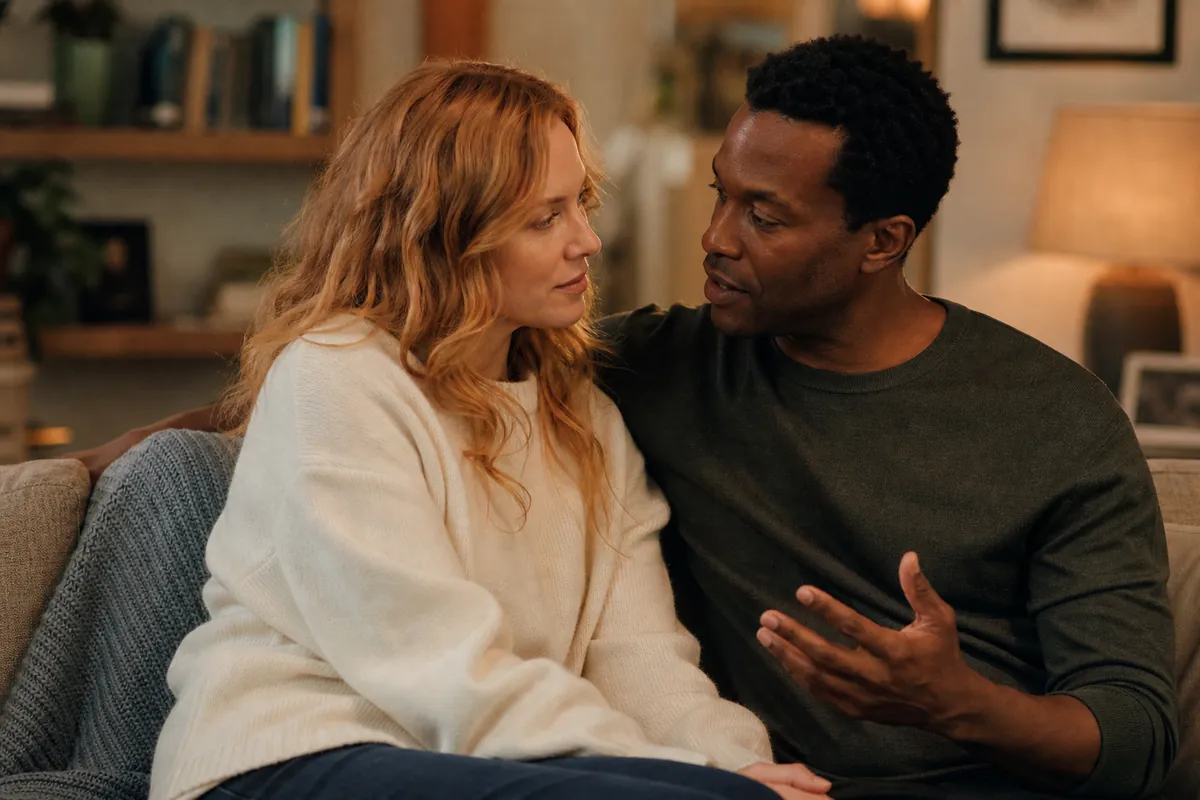
The conversation that needs to happen after a difficult lifestyle experience is one of the most important relationship conversations you will have. Its quality determines whether the experience becomes something that strengthens your communication and understanding of each other, or something that sits unprocessed and creates distance. The goal of the conversation is not to fix what happened or arrive at a plan. The goal of the first conversation is to make sure both people feel genuinely heard about what their experience actually was.
Start by establishing that you are both there to understand each other, not to defend yourselves or win an argument about whose interpretation of the night is correct. Two people can experience the same evening very differently, and both experiences can be real and valid at the same time. The question is not "what really happened objectively" but "what did this feel like for each of us, and what do we each need right now."
Listen to what your partner says without immediately responding with your own counter-narrative. This is hard when you are also carrying difficult feelings about the same experience, but it is essential. The person who feels least heard in the aftermath of a difficult experience is the one most likely to shut down, withdraw, or decide that their partner does not actually care about their emotional reality. Making your partner feel genuinely heard, even when their experience differs from yours, is one of the most important things you can do in this conversation.
Then share your own experience with the same expectation of being heard. Use language that stays in your own lane: what you felt, what you noticed, what you needed in the moment and did not have. Avoid framing your experience as an indictment of your partner's behavior unless there was an actual specific problem with their behavior that needs to be named. For related perspective on processing emotions together, our article on what is compersion offers a useful framework for how the best-case version of this conversation can go.
Processing Your Individual Emotions vs. the Relationship's Experience
There are two separate layers of processing that need to happen after a difficult lifestyle experience: what each person is going through individually, and what the two of you are going through together as a partnership. These are different processes and they can sometimes need to happen separately before they can be integrated together. One partner's individual emotions are not automatically the same as the relationship issue. Sometimes a person needs to sit with their own feelings for a while before they can bring them into a shared conversation productively.
Individual processing might involve journaling, talking to a trusted lifestyle-aware friend, physical movement or time in nature, or simply having some solo time to let feelings settle without the pressure of managing a partner's reactions at the same time. This is not avoidance. It is the kind of self-regulation that makes the shared conversation better. If you go straight from the event into an emotionally flooded couple conversation, you are often processing your individual overwhelm at each other rather than actually working through the shared experience together.
The relationship's experience is about what this event means for your partnership: for your trust in each other, for your shared goals in the lifestyle, and for the rules and agreements you had in place. These questions are important and deserve careful attention, but they are second-order questions that are best addressed after both people have had enough individual processing to be genuinely thoughtful rather than reactive.
When to Pause the Lifestyle and How to Do That Without Blame
Sometimes the right response to a difficult experience is to pause lifestyle activity while you process and rebuild. This is a valid and often wise choice, and it should not be framed as a failure or a punishment. The lifestyle is meant to add something positive to a relationship. If it is currently causing more damage than enjoyment, giving it a rest until the underlying issues are addressed is good sense rather than retreat.
Pausing without blame means framing it as a joint decision for the health of the relationship rather than as one partner forcing the other's hand. "We are choosing to take a break while we work through this" is a very different frame from "because of what you did, we have to stop." The first acknowledges shared agency and shared commitment to the relationship. The second assigns fault and creates resentment that will make the underlying processing harder.
Set a rough timeframe for the pause rather than leaving it indefinite. An indefinite pause can become a slow drift away from the lifestyle without an actual decision being made, which can create its own resentment, particularly if one partner still wants to participate. "Let's not schedule anything for the next month while we work through this, and then check in about how we're feeling" gives both people a structure without forcing a permanent decision prematurely.
Whether the Bad Experience Changes Your Boundaries Going Forward
One of the most valuable things a difficult experience can tell you is where your actual limits are. Most couples enter the lifestyle with limits they have thought through intellectually. The first time something actually happens that gets close to or crosses those limits, you find out whether your stated limits match your actual emotional reality. Sometimes they do. Sometimes you discover that something you thought you would be fine with is harder than expected. Both are important pieces of self-knowledge.
Let the experience inform an honest reassessment of your limits rather than either doubling down on the original rules or abandoning them entirely in frustration. If something that happened was too much, narrow the limit. If the experience revealed that a limit you had was more conservative than you actually need it to be, you can adjust in that direction too. Limits are working documents, not permanent contracts. They should reflect your actual emotional reality, which you learn more about through experience.
Update your agreements specifically. If the difficult experience happened because of a vague area in your existing rules, make it less vague. If communication broke down in the moment because you did not have a good check-in system, design a better one. The practical changes you make based on what a difficult experience teaches you are one of the most constructive things you can do in its aftermath. More on how this process works is covered in our article on swinger guilt and our guide on handling insecurity as a swinger.
When Therapy Is Appropriate and What to Look For in a Kink-Aware Therapist
Some difficult lifestyle experiences exceed what a couple can work through in private conversations alone. If what happened involved a consent violation, if one partner is experiencing symptoms of genuine trauma, if the experience has significantly destabilized the relationship, or if your processing conversations are stuck in loops that are not resolving, professional support is appropriate and important.
The critical qualifier when seeking therapy for lifestyle-related issues is kink-awareness. A therapist who does not have specific knowledge and positive regard for non-monogamy and kink practices can cause additional harm by pathologizing the lifestyle itself rather than helping you work through the specific experience. "You should not be doing that" from a therapist is not therapy. It is imposing values. You deserve support that engages with your lifestyle choices as valid while helping you process what happened within them.
Kink-aware therapists can be found through directories maintained by organizations like the National Coalition for Sexual Freedom (NCSF) and through word of mouth in the lifestyle community. When interviewing a potential therapist, asking directly about their experience with non-monogamous clients and their approach to alternative relationship structures will tell you quickly whether they are a good fit. A therapist who hesitates, hedges, or gives answers that suggest discomfort with non-monogamy is not the right therapist for this work.
Therapy does not have to mean long-term commitment. A few focused sessions specifically to work through the aftermath of a difficult experience can be exactly what is needed without becoming a years-long process. Going in with a specific goal, processing this particular experience and what it means for us going forward, helps keep the work focused and efficient.
Returning to the Lifestyle After a Difficult Experience: Pacing and Trust Rebuilding
If you decide to return to lifestyle activity after a difficult experience, pacing is everything. Going back too quickly, before both people have genuinely processed what happened and both feel genuinely ready, often produces another difficult experience that compounds the first one. The pressure to "get back on the horse" is understandable, particularly if the difficult experience triggered insecurities about desire or attraction, but forcing readiness that is not there does not create it. It just adds another layer of difficult experience to process.
When you do return, start with lower-intensity situations. A social meet-and-greet with no play pressure, or a familiar setting with couples you have positive history with, gives you the opportunity to test how you feel in lifestyle contexts again without the full weight of a new play situation. Notice how you feel in these settings. If the social contexts feel comfortable and genuinely enjoyable, that is a good signal. If they feel tense or anxiety-provoking, that is useful information that suggests more processing time would be beneficial before moving toward play situations.
Trust rebuilding after a difficult experience, particularly one that involved a partner doing something that hurt the other, takes time and consistent behavior rather than promises. The partner who caused hurt demonstrates trustworthiness through how they behave over time, not through declarations of commitment in the immediate aftermath. The partner who was hurt rebuilds trust by allowing themselves to notice and acknowledge evidence of trustworthiness rather than maintaining the defensive posture indefinitely. Both of these processes take time, and both people need to allow them to unfold rather than trying to accelerate them through will.
When to Decide the Lifestyle Is Not Right for You
Not everyone who explores the lifestyle continues in it, and that is a completely valid outcome. The lifestyle is one option for how to structure adult intimate life, not a destination that everyone should be trying to reach. Some couples explore it and discover, sometimes through a difficult experience and sometimes through easier ones, that it does not add what they hoped it would. Some individuals discover that their emotional architecture is not compatible with the demands of non-monogamous play, regardless of how much they wanted it to be in theory. Recognizing this honestly and making a clear choice to stop is genuinely healthy and takes more self-knowledge and courage than pushing through for its own sake.
The decision to leave the lifestyle should be mutual and considered rather than reactive. Making it in the immediate aftermath of a single difficult experience is premature in most cases. But if after a genuine process of reflection and honest conversation both people agree that the lifestyle is not serving them, that is a complete and worthy answer. Couples who leave the lifestyle on their own terms, having genuinely explored it and made a conscious choice about it, often have a more grounded understanding of their relationship and their desires than they had before the exploration began. That is a meaningful outcome regardless of what they decide.
If only one partner wants to stop and the other does not, the relationship itself needs honest attention. The lifestyle is something both partners need to be genuinely enthusiastic about continuing. One partner dragging the other along, or one partner being held back against their real wishes, is not a lifestyle arrangement. It is a relationship problem that will not be fixed by either continuing or stopping the lifestyle without addressing the underlying incompatibility directly.
Connect With the West Coast Swingers Community
If you are navigating the aftermath of a difficult lifestyle experience and looking for a community that takes these conversations seriously, the West Coast Swingers member community is a thoughtful place to connect. Members here approach the lifestyle with genuine care for their own and others' wellbeing, and many have personal experience navigating difficult moments and coming through them stronger. Visit members.westcoastswingers.com to create your profile and find the kind of community that makes the lifestyle genuinely better rather than just more complicated.
Free for couples
Get the Free Beginner’s Checklist for Couples
Eight steps from the first honest conversation to your first night out, plus new guides, club and event news, and new games. Unsubscribe any time.
Related Posts
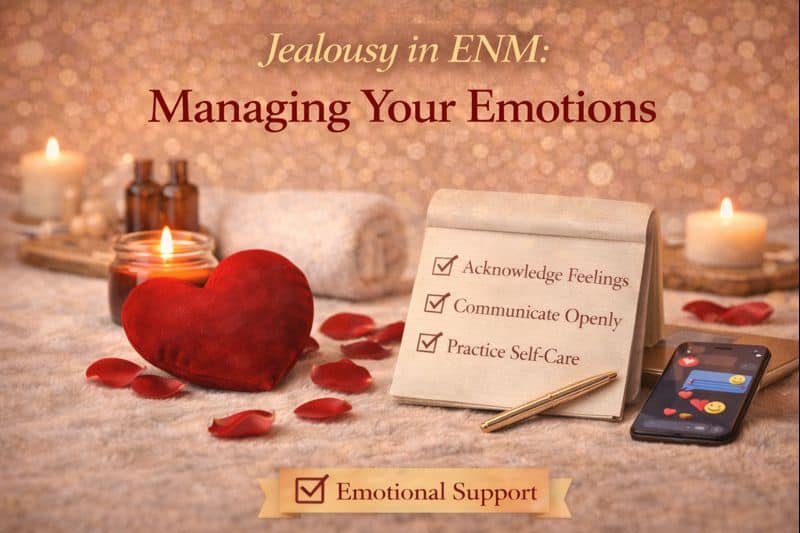
Managing Jealousy in the Swinger Lifestyle
Jealousy, Emotions & Mental Health / By Alex