Can Singles Join the Swinging Lifestyle? What Solo Swingers Need to Know
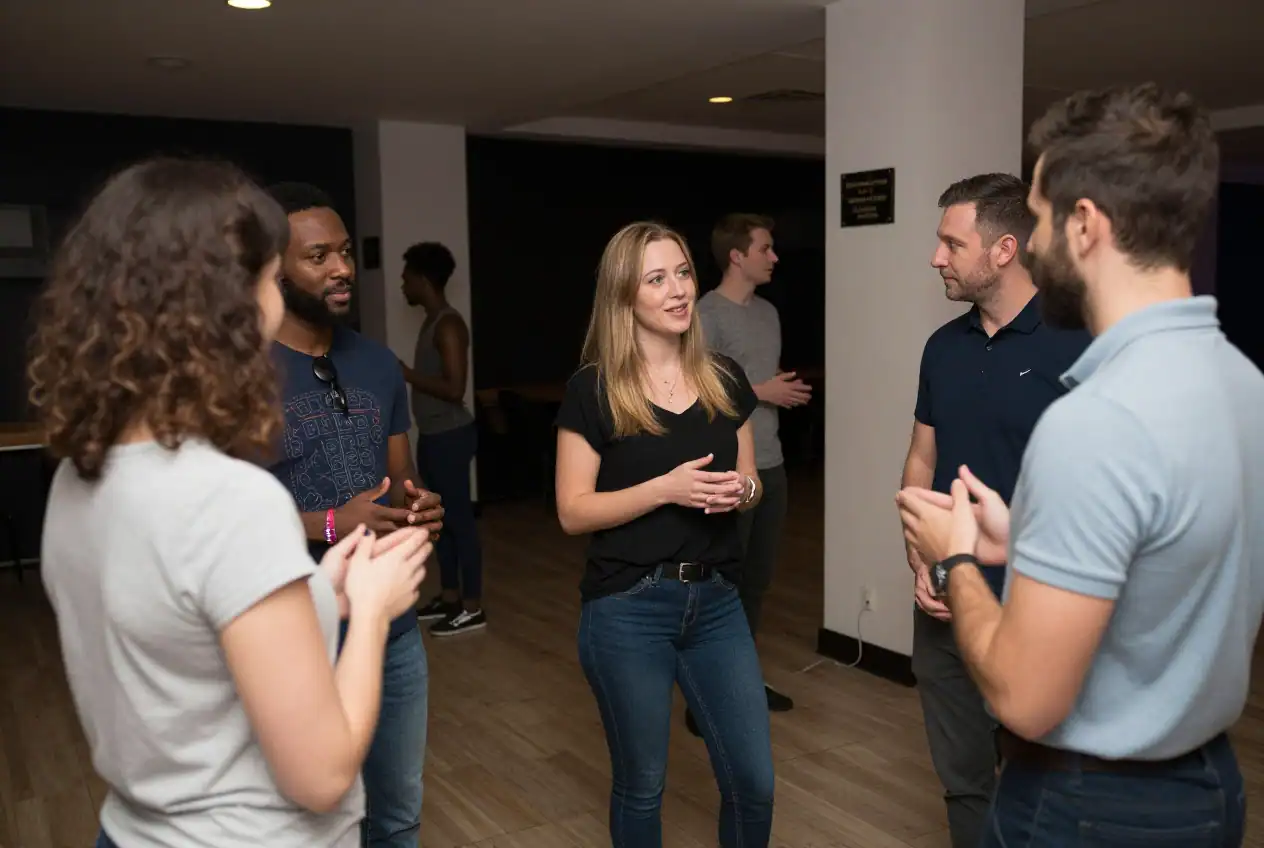
/ Singles, Unicorns & ThreesomesThe swinging lifestyle is structured primarily around couples. Most events are couple-centric, most profiles on lifestyle apps feature pairs, and the social currency of the community tends to accrue to established couples who have been participating together for some time. For single people who are curious about the lifestyle, this reality creates a particular set of challenges and opportunities that differ significantly depending on whether you are a single woman or a single man.
Yes, singles can join the swinging lifestyle. Many do, and some build rich, fulfilling communities within it as solo participants. But the experience of a single person in a couple-centric community requires different strategies, different expectations, and a clear-eyed understanding of the social dynamics at play. This guide covers the practical realities for both single women and single men, with honest attention to the asymmetries that exist between these two experiences.
For broader context on how singles fit into the lifestyle alongside couples, see our guide to singles, unicorns, and threesomes in swinging.
The Swinger Community Is Couple-Centric but Singles Do Participate
Understanding the couple-centric nature of the lifestyle is the starting point for any single person entering it. This structure has practical origins: the swinging community grew historically from couple-to-couple social networking, and many of its norms, events, and cultural conventions reflect that origin.
What this means in practice is that most lifestyle events charge different entry fees for singles and couples (typically higher for single men), some events restrict single men entirely while welcoming single women, couples seeking play partners often express preferences for other couples, and the social dynamics at events tend to reflect pre-existing couple connections that single people need to navigate rather than simply join.
None of this is insurmountable. Single people who approach the community with patience, genuine social skills, and a realistic understanding of their position within it can build real connections over time. The key word is "over time." Singles who expect to arrive at a lifestyle event and immediately have the same social access as established couples are likely to be frustrated. Singles who approach the community as a long-term social investment tend to do much better.
Single Women in the Lifestyle: The Most Welcomed Category and Why
Single women in the swinging lifestyle occupy a position of relative privilege compared to single men. They are the most sought-after category of participant by couples seeking a third, and most lifestyle events welcome them either free or at significantly lower cost than single men. The demand for single women far exceeds the supply, which creates a dynamic where single women can be quite selective about the connections they pursue.
This welcome comes with its own complications. As discussed in our article on unicorn relationships, the high demand for single women in the lifestyle often leads to them being approached as interchangeable fantasy objects rather than individuals. Single women who enter the lifestyle need to develop a clear sense of what they want from the community and the confidence to enforce it, because they will receive a high volume of attention from couples and will need discernment to find connections that are genuinely worthwhile rather than just enthusiastic.
Single women who thrive in the lifestyle tend to be self-directed about what they want, assertive about communicating their preferences and limits, and selective about which couples they engage with. They typically develop a small network of trusted couple connections over time rather than treating every invitation as an opportunity.
Building a lifestyle community as a single woman also means finding events and spaces that treat single female participants with genuine respect rather than as entertainment. The quality of the event community matters enormously, and it is worth sampling different events and spaces to find the ones where the social norms align with how you want to be treated.
Single Men in the Lifestyle: The Most Challenging Position and Why
Single men, often called stags or bulls depending on context, face significantly more challenges in the lifestyle community than single women or couples. This asymmetry is widely acknowledged within the community and is worth understanding directly rather than discovering painfully.
The practical challenges include higher event entry fees, outright exclusion from some events, significantly less interest from couples in connecting with single men compared to single women, and a social reputation problem created by the minority of single men who have behaved disrespectfully at events and created wariness about the category as a whole.
The behavioral reputation problem deserves particular attention. A relatively small number of single men who have pushed past stated limits, not respected couple dynamics, or otherwise behaved inappropriately at events have made the community as a whole more cautious about single male participants. This is unfair to single men who approach the community with genuine respect and consideration, but it is the reality that exists, and navigating it requires demonstrating through consistent behavior over time that you are not that person.
Single men who do well in the lifestyle community tend to share certain characteristics: they are genuinely socially skilled and enjoy the social aspects of events separate from their sexual interests; they are patient and comfortable with a slower pace of connection-building; they are clear and honest in their profiles and communications; and they have a demonstrated record of treating couples and event staff with respect.
Couple Privilege: What It Is and How It Affects Singles
Couple privilege in the lifestyle context refers to the social and practical advantages that established couples have over singles at lifestyle events and in lifestyle communities. Understanding this dynamic helps singles navigate it more effectively rather than being blindsided by it.
In practice, couple privilege manifests as: lower event entry fees or free entry, greater social ease at events where most participants are couples, priority in connecting with other couples who prefer couple-to-couple play, and the implicit social credibility that comes from being an established pair rather than a solo participant whose motivations may be more easily questioned.
Couple privilege is not malicious; it reflects the historical and structural realities of how the community developed. But for single participants, being aware of it allows you to strategize around it rather than bumping into it unexpectedly.
Practical strategies for singles managing couple privilege include: building genuine friendships with couples at events before expressing any sexual interest; demonstrating social value at events through conversation, helpfulness, and general good behavior rather than arriving with only a sexual agenda; and identifying and connecting with events and communities that are more welcoming to singles than the average club or party.
Events and Clubs That Welcome Singles
Not all lifestyle events treat singles the same way. Some clubs actively curate their single participant experience and create spaces where single men and women are genuinely integrated into the social fabric rather than being treated as peripheral. Identifying these spaces is one of the highest-value research tasks for a single person entering the lifestyle.
Smaller, more intimate private parties often have more flexible approaches to single participants than large club events, particularly when they are organized by established community members who know the single person and can vouch for them socially. Getting invited to these kinds of events requires building relationships in the community over time, which typically begins with attending larger public events and building a reputation there.
Online communities associated with specific geographic areas often have information about which local events are more welcoming to singles and which are not. Platforms like SDC, Kasadie, and similar lifestyle-specific sites have forums and community groups where this kind of local knowledge is shared.
Lifestyle vacations and resorts, such as Hedonism II in Jamaica or Desire Riviera Maya in Mexico, tend to be more welcoming to single participants than most domestic club events. The vacation context changes the social dynamics in ways that tend to be more favorable to singles developing connections.
Events That Restrict Single Men and How to Navigate That
Some lifestyle events and clubs operate on a couples-and-single-women-only policy, either on specific nights or as a general rule. Encountering this policy as a single man can be discouraging, but it reflects genuine community dynamics rather than arbitrary hostility.
The practical response to this reality is to invest in connections with couples who can sponsor or vouch for your attendance at couple-centric events, to seek out events that do welcome single men, and to demonstrate over time through your behavior that you are exactly the kind of participant that events would want to welcome.
Some couples at lifestyle events specifically enjoy playing with a single man as part of their experience. These connections typically develop through genuine social engagement at events or through lifestyle apps rather than through cold approaches. A single man who has a reputation in the community as someone who treats couples with respect, who communicates clearly, and who contributes to the social atmosphere rather than just attending for sexual access will find that these opportunities develop naturally over time.
Patience is not optional for single men in the lifestyle community. It is a foundational requirement. Singles who accept this reality and work within it tend to build genuinely satisfying community connections; singles who resist it tend to experience repeated frustration.
Creating a Strong Solo Profile on Lifestyle Apps
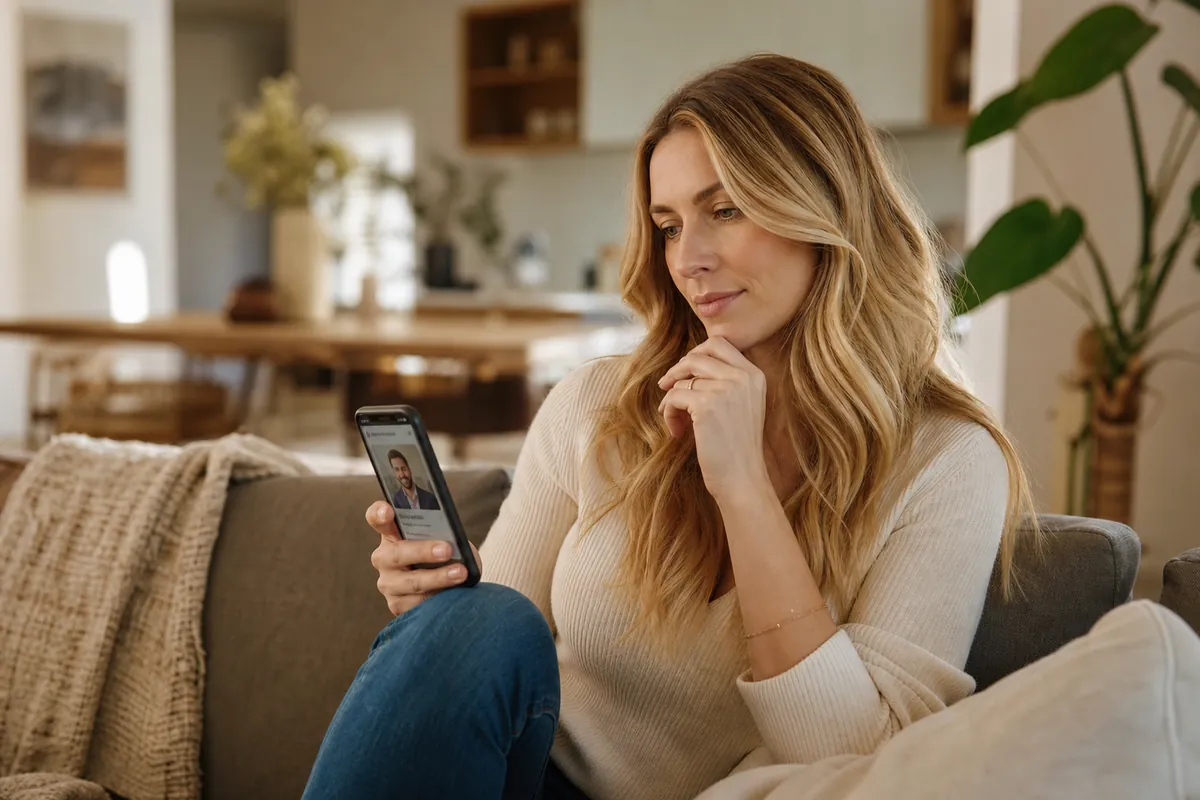
A strong solo profile on lifestyle apps is especially important for single participants because couples and other members are making fast judgments about whether you are someone they want to connect with. A weak or generic profile significantly limits your options.
For single women: a profile that communicates your personality, what you are genuinely looking for (a specific kind of couple connection, specific activities, specific social atmosphere), and your limits clearly will attract couples who are actually compatible rather than everyone available. Including face photos at appropriate security settings generates significantly more interest than profiles without photos. A note about your testing status and safe sex practices signals responsibility that many couples will find reassuring.
For single men: the same principles apply with additional emphasis on demonstrating social awareness and respect for couple dynamics. A profile that explicitly acknowledges that you understand couple dynamics, that you are interested in the mutual enjoyment of all participants and not just in your own experience, and that you are patient and comfortable with whatever pace feels right for a given couple will distinguish you from the majority of single male profiles, which often communicate urgency and a primarily transactional orientation.
Both: avoid copy-paste messaging that makes it obvious you are sending the same note to everyone. Personalized messages that reference something specific about the profile you are responding to signal that you have actual interest in the specific people rather than treating the search as a numbers game.
How to Approach Couples Respectfully as a Solo
The approach matters as much as the profile. Singles who approach couples respectfully and thoughtfully develop connections; singles who approach with entitlement or without sensitivity to the couple's dynamic get ignored or blocked.
Express genuine interest in both people, not just one. A single man who messages a couple and directs all his enthusiasm toward the woman while barely acknowledging her partner has already communicated that he does not understand or respect the couple dynamic. A single woman who does the same creates a different but equally problematic impression. Both people in a couple should feel like you are interested in connecting with them as a unit, not in accessing one through the other.
Be clear about what you are looking for without pressure. "I am a single man interested in meeting compatible couples for occasional play. I understand this is not for everyone and am happy to chat first to see if there is mutual interest" is a complete, respectful approach. It communicates interest without assuming, acknowledges the couple's right to decline, and suggests a low-pressure process for developing connection.
Follow the couple's pace entirely. If they want to chat online for several weeks before meeting, that is their prerogative and accommodating it demonstrates exactly the patience and respect that helps distinguish you from less considerate approaches.
The Emotional Experience of Being a Solo Swinger
Being a solo participant in a couple-centric community can be emotionally complicated in ways that are worth acknowledging honestly. The asymmetry between your position and that of established couples can produce feelings of being an outsider, of being evaluated rather than welcomed, and of your enjoyment being conditional on others' interest in ways that couples' enjoyment of each other never is.
These feelings are real and worth sitting with rather than suppressing. The community can be genuinely welcoming to single people who invest in it, but that welcome is earned differently than it is for couples, and the path there requires patience and resilience that not everyone finds easy to maintain.
Building lifestyle connections with a small number of couples who genuinely value you as an individual is far more satisfying and sustainable than pursuing large numbers of connections at arms length. Quality over volume is especially true for singles, who often need to invest more socially to achieve the same depth of connection that couples achieve more easily.
Building Genuine Community as a Single Person
The singles who build the most satisfying long-term lifestyle experiences tend to approach community-building as a goal in itself, not just as a means to sexual connection. Attending events consistently, volunteering for event setup or other community roles, being genuinely helpful and social with everyone at events rather than just potential play partners, and becoming known as someone who contributes to the atmosphere rather than just extracting from it: these behaviors build the kind of social capital that opens doors over time.
Some lifestyle communities have specific social groups or social nights for singles, where the explicit purpose is community-building rather than play. These are worth seeking out and investing in, as they provide a social home base separate from the couple-centric events where single people are more marginal.
Online lifestyle communities associated with your geographic area are also worth engaging with. Contributing thoughtfully to forum discussions, being helpful to newcomers, and demonstrating the same social values online that you demonstrate in person builds a reputation that extends your social reach beyond the people who have met you face-to-face.
Join the West Coast Swingers Community
West Coast Swingers welcomes both couples and single participants who approach the lifestyle with respect, honesty, and a genuine interest in community. If you are a single person ready to explore what the lifestyle offers, join the members area at members.westcoastswingers.com to connect with a community that values how you show up, not just whether you arrive in a pair.
For event-specific guidance, see our article on swinger club etiquette.
Final Thoughts
Singles can absolutely join the swinging lifestyle, and many find it deeply rewarding. The path there looks different from the couple's path, and the challenges are real and worth understanding clearly rather than discovering through repeated frustration. Single women have genuine advantages in community access but face their own challenges around being treated as individuals rather than as a category. Single men face structural challenges that require significant social investment to overcome.
What both have in common is that the most successful solo participants are the ones who invest in the community as a community: who bring social value, who demonstrate consistent respect, who are patient with a slower pace of connection-building, and who treat every person they meet, couple or single, with the genuine consideration that makes them someone others want to know.
The lifestyle rewards people who show up that way, regardless of whether they arrive alone or together.
Free for couples
Get the Free Beginner’s Checklist for Couples
Eight steps from the first honest conversation to your first night out, plus new guides, club and event news, and new games. Unsubscribe any time.
Related Posts
Singles, Unicorns and Threesomes in Swinging
Singles, Unicorns & Threesomes / By Alex