
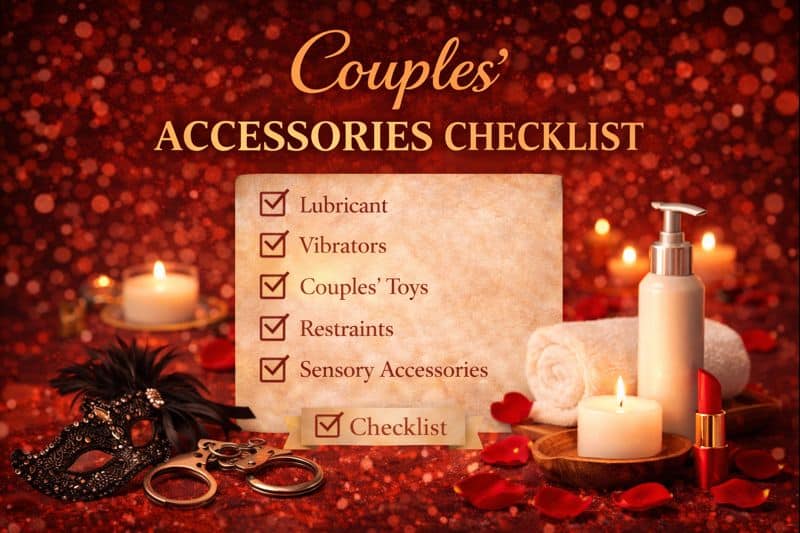
Couple's toys are not about replacing connection. They are about enhancing shared experiences, communication, and curiosity. When chosen and used intentionally, toys can help couples explore sensation together while strengthening trust and emotional intimacy.
Used this way, toys become tools for interaction rather than distraction. They invite conversation, feedback, and shared decision making, which can deepen understanding between partners. Instead of focusing on outcomes, couples are encouraged to notice how it feels to explore together, to check in, and to adjust based on comfort and desire in the moment.
This approach also removes pressure. There is no right way to use a toy and no expectation to perform or impress. What matters most is mutual awareness, respect for boundaries, and the ability to pause or change direction at any time. When both partners feel safe and heard, curiosity naturally replaces anxiety.
This guide focuses on the best couple's toys for shared pleasure, with an emphasis on consent-first exploration, communication, and comfort. Nothing here requires experience or performance. The goal is to support connection and mutual enjoyment.
Throughout, the intention is to normalize conversation and choice. Toys are presented as optional supports that can add variety or playfulness, not as solutions or requirements. When couples stay grounded in communication and care, exploration remains collaborative, affirming, and relationship building.
Why Couple's Toys Can Improve Connection
Using toys together invites conversation, feedback, and teamwork. It also helps couples slow down and pay attention to sensation.
When toys are approached as a shared activity, they naturally encourage collaboration. Partners tend to check in more often, listen more closely, and respond to each other's cues because the experience depends on mutual comfort and participation. This can make communication feel easier and more natural.
Toys can also help couples slow the pace. Adjusting settings, noticing reactions, or deciding what to try next creates intentional pauses. These moments support presence and awareness, helping couples stay focused on each other rather than rushing toward an outcome.
Benefits of using toys together
- Encourages open communication about pleasure
- Reduces pressure to perform
- Introduces novelty in a safe way
- Supports shared exploration
Each of these benefits comes from shared choice and mutual respect. When both partners are involved in deciding how and when to explore, novelty feels cooperative rather than demanding, and curiosity replaces expectation.
Toys work best when both partners feel curious and respected. When consent, comfort, and communication remain central, toys can support connection rather than distract from it.
Consent and Communication Come First
Before choosing any toy, talk about comfort levels and expectations.
Taking time to have this conversation sets the tone for everything that follows. It helps both partners feel seen and reduces the chance of misunderstandings. These check ins do not need to be formal or serious. They can happen casually and still be meaningful.
Consent is not a one time agreement. It is an ongoing process that continues before, during, and after exploration. Staying open to feedback and change allows both partners to remain relaxed and engaged rather than tense or uncertain.
Helpful questions to ask
- What kind of sensations are you curious about?
- What feels off-limits right now?
- How will we give feedback during use?
These questions are not about finding perfect answers. They are about creating space for honesty and flexibility. It is okay if answers change over time or even during the experience itself.
Clear communication keeps exploration enjoyable. When both partners feel safe expressing curiosity, hesitation, or a need to pause, exploration becomes collaborative, supportive, and emotionally grounding rather than pressured.
Beginner-Friendly Couple's Toys
If you are new to toys, start simple and non-intimidating.
Beginning with straightforward options helps reduce pressure and keeps the focus on comfort and connection. Simple designs are easier to pause, adjust, or stop, which supports confidence and mutual ease during early exploration.
Starting small also makes it easier to talk about what you like or do not like without feeling overwhelmed. The goal at this stage is familiarity and shared curiosity, not intensity or variety.
External stimulators
- Compact vibrators designed for shared use
- Hands-free options that allow closeness
- Devices with adjustable intensity
External stimulators are popular for beginners because they are intuitive and flexible. They can be incorporated without changing how partners connect physically, allowing eye contact, touch, and conversation to remain central.
Adjustable intensity is especially helpful. Being able to start low and increase gradually supports comfort and makes it easier to respond to feedback in the moment.
These toys are easy to integrate and allow partners to stay connected.
Massage-focused toys
- Massage wands with low settings
- Textured rollers for back and shoulders
- Warm or cooling massage accessories
Massage-focused toys are ideal for couples who want to emphasize relaxation and presence. They naturally encourage slower pacing and attentive touch, which can help partners feel grounded and emotionally connected.
Using massage tools also creates opportunities for check ins and reassurance. Partners can take turns guiding pressure, location, or temperature, reinforcing shared control and trust.
Massage toys support relaxation and sensual buildup.
Couple's Toys Designed for Shared Experiences
Some toys are specifically designed to be used together.
These options are created with interaction in mind rather than solo use. They tend to encourage collaboration, communication, and shared decision making, which helps keep both partners actively involved in the experience.
Because these toys are meant for joint use, they often work best when couples take time to talk about comfort, pacing, and preferences before starting. This keeps exploration light, intentional, and mutually supportive.
Hands-free wearable options
- Wearable devices controlled by one or both partners
- App-controlled options for playful interaction
- Low-profile designs that prioritize comfort
Hands-free wearables allow partners to stay physically close while exploring sensation together. Because they do not require constant handling, couples can focus more on eye contact, touch, and verbal feedback.
Shared or app-based control can introduce an element of playfulness and teamwork, especially when both partners feel equally involved in choosing settings and timing.
These encourage teamwork and communication.
Remote or partner-controlled toys
- Simple remote-control devices
- Clear on and off functions
- Multiple intensity levels
Remote or partner-controlled toys shift part of the experience into communication and trust. Clear controls and easy adjustments help ensure that both partners feel safe and in control throughout use.
Starting with simple designs makes it easier to pause, adjust, or stop without breaking connection. Talking through what feels good or what needs to change reinforces shared awareness and respect.
Partner control can feel playful when boundaries are clear.
How to Choose the Right Toy Together
Shopping together can be part of the experience.
Approaching selection as a shared activity helps remove pressure and sets a collaborative tone from the start. Instead of one partner surprising the other or making assumptions, choosing together invites conversation, curiosity, and mutual input. This can be just as connecting as using the toy itself.
Taking time to browse, talk, and reflect on options allows both partners to feel included and respected. It also creates natural opportunities to discuss comfort levels, boundaries, and interests in a low-pressure setting.
Selection tips
- Read reviews focused on comfort and ease
- Choose body-safe materials
- Start with adjustable intensity
- Prioritize quality over novelty
Focusing on comfort and usability helps ensure a positive first experience. Adjustable intensity allows couples to move at a pace that feels right, while body-safe materials support peace of mind and physical comfort. Choosing quality over novelty reduces frustration and makes it easier to relax into exploration.
Choosing together reinforces shared ownership. When both partners feel equally involved in the decision, the experience is more likely to feel cooperative, supportive, and aligned with shared values rather than driven by expectation or pressure.
How to Introduce Toys Without Pressure
Toys should be an invitation, not a requirement.
Introducing toys works best when it feels optional and low stakes. Framing them as something to try rather than something to achieve helps both partners stay relaxed and open. Curiosity tends to grow when there is no expectation to like something or to continue if it does not feel right.
A gentle introduction also reinforces trust. When partners know they can stop, change direction, or say no at any point, exploration feels safer and more supportive rather than stressful.
Gentle introduction ideas
- Use toys as part of a massage or relaxation night
- Keep the first experience short
- Check in verbally during use
Starting in a calm, familiar context can make new elements feel less intimidating. Short first experiences help prevent overwhelm and leave space to reflect afterward. Verbal check ins, even simple ones, keep communication active and reassure both partners that comfort comes first.
Removing expectations keeps things light. When there is no pressure to repeat, escalate, or "get it right," toys are more likely to feel like a shared experiment rather than a test, allowing connection to remain the focus.
Using Toys to Improve Communication
Toys create opportunities to practice feedback.
Because toys add a shared point of focus, they often make communication feel more natural and less personal. Instead of guessing or staying silent, partners can talk about sensations in real time, which builds confidence in speaking up and listening.
Using toys together can normalize ongoing dialogue. Small adjustments and check ins become part of the experience, reinforcing that communication is expected and welcome rather than disruptive.
Feedback cues
- More, less, or different
- Slower or faster
- That feels good right there
These simple cues are effective because they are clear and easy to say. They help partners guide the experience without needing long explanations, which keeps connection flowing.
Over time, practicing this kind of feedback can carry into other areas of the relationship. Partners often become more comfortable expressing needs, responding to cues, and adjusting with care.
These cues strengthen communication skills. When feedback is received positively and acted on respectfully, trust grows and exploration feels collaborative rather than uncertain.
Aftercare Enhances the Experience
Aftercare helps partners reconnect emotionally.
Taking time to reconnect after using toys helps the experience feel complete rather than abrupt. Even when exploration is light or playful, emotions and vulnerability can surface. Aftercare provides reassurance and reinforces that the relationship comes first.
This moment of reconnection allows partners to settle back into closeness, share impressions, and reaffirm safety. It can also help prevent misunderstandings by creating space to process how the experience felt for each person.
Aftercare ideas
- Sharing what you enjoyed
- Offering reassurance and affection
- Resting together
These practices do not need to be elaborate. A few kind words, gentle touch, or quiet time side by side can help both partners feel grounded and appreciated. What matters most is intentional presence.
When aftercare is part of the experience, exploration is more likely to feel emotionally supportive and relationship building. It reinforces trust and helps partners carry a sense of connection forward rather than leaving it behind.
Learn more in The Importance of Aftercare in Intimate and Lifestyle Experiences.
Common Mistakes to Avoid
- Introducing toys without discussion
- Using toys to avoid communication
- Comparing experiences
- Ignoring comfort signals
These mistakes often stem from rushing or avoiding conversation. Skipping discussion can remove the sense of shared choice, while comparison introduces pressure that undermines trust. Comfort signals include both verbal and nonverbal cues, and responding to them is a key part of respectful exploration.
Respect and patience create better outcomes.
When Toys Are Not the Right Choice
It is okay if toys are not appealing to both partners. Intimacy can be deeply satisfying without them.
Not every couple is curious about toys, and interest can change over time. A lack of interest does not reflect a lack of openness or connection. What matters most is mutual respect and alignment.
Focus on connection, communication, and presence first.
Support Your Foundation First
If you are still building comfort with intimacy conversations, start with How to Strengthen Emotional Intimacy Before Exploring the Lifestyle.
Strengthening emotional safety and communication helps partners feel more confident expressing needs and boundaries. This foundation supports any form of exploration, whether toys are involved or not.
Call To Action: Explore Together, Gently
If toys feel interesting, choose one beginner-friendly option and plan a relaxed night to explore it together.
- Shop together or browse options
- Set clear comfort boundaries
- Focus on shared experience
Toys are tools for connection. When used with care and consent, they can support closeness and shared pleasure.
