
Impact play is one of the most recognizable forms of kink, yet it's also one of the most misunderstood. Many people assume impact play is only about inflecting pain, punishment, or endurance, often based on exaggerated portrayals in movies and books. In healthy, consensual arrangements, impact play is far more nuanced and intentional than those assumptions suggest.
In reality, healthy impact play focuses on sensation, trust, rhythm, and communication. The experience is shaped by pacing, anticipation, and emotional connection rather than intensity alone. For many couples, impact play becomes less about how hard something feels and more about how it creates focus, vulnerability, and closeness in a shared moment.
For couples, impact play can become a powerful way to explore vulnerability and connection when approached responsibly. Clear consent, ongoing communication, and emotional awareness allow partners to stay attuned to each other’s responses. When those elements are present, impact play often feels grounding and connective rather than overwhelming.
This guide introduces impact play basics for beginners. It covers spanking, flogging, and beginner-friendly tools while emphasizing consent, safety, emotional awareness, and aftercare. Everything here is non-graphic and designed to help couples explore thoughtfully, at their own pace, with trust and care at the center of the experience.
What Is Impact Play
Impact play refers to consensual activities where one partner strikes another partner’s body in a controlled, deliberate way. The goal isn't to harm. It is a sensation, rhythm, and emotional exchange. Unlike accidental or aggressive physical contact, impact play is planned, communicated, and adjustable at every moment.
Impact play often involves timing, buildup, and awareness rather than force. Light impact can feel grounding or stimulating, while rhythm and repetition can create a focused, connected experience. For many couples, the emotional layer such as trust, vulnerability, and intentional care matters just as much as the physical sensation.
Common reasons couples explore impact play
-
Heightened physical sensation
Controlled impact can increase body awareness and make sensations feel more intense without requiring extremes. -
Power exchange and trust
Giving or receiving impact requires trust. Clear roles and consent allow couples to explore that control and surrender safely. -
Emotional release
Some people experience impact play as stress relieving or emotionally grounding when it's done with care and communication. -
Structured play with clear roles
Impact play often benefits from agreed roles, pacing, and rules, which can make intimacy feel intended and focused.
Impact play exists on a wide spectrum, from very light to more intense. There is no correct level. What matters is that both partners choose the experience together.
Consent and Communication Come First
Because impact play involves physical contact, consent must be clear and ongoing. Assumptions aren't enough here. Talking beforehand helps both partners understand their expectations, limits, and safety needs.
Consent conversations create a shared framework so that both people can relax into the experience without uncertainty or fear of crossing boundaries.
Essential consent conversations
-
Which areas of the body are allowed or off-limits
Some areas are safer than others. Naming boundaries ahead of time helps prevent injury and discomfort. -
Preferred intensity and pacing
Agreeing on how light or firm the play should be, and how quickly it builds, keeps both partners aligned. -
Safe words and stop signals
Clear stop or pause signals ensure immediate communication if something needs to change. -
Aftercare needs
Discussing aftercare ahead of time reassures both partners that emotional and physical care will follow the scene.
Consent should be enthusiastic and specific. It can change at any time, and checking in during impact play is a sign of responsibility, not interruption.
Safe Words and Check-In Systems
Safe words allow anyone to pause or stop the play immediately. Because impact play involves physical sensation and emotional intensity, having clear communication tools in place helps both partners feel secure and supported throughout the experience.
Safe words remove guesswork. They allow partners to respond quickly without needing to interpret tone, body language, or hesitation. This clarity makes it easier to stay present and connected.
Recommended system
-
Green: everything feels good
Green confirms that the current intensity and pacing feel aligned and enjoyable. -
Yellow: slow down or lighten up
Yellow signals that something needs adjustment. This might mean reducing force, slowing the rhythm, or checking in before continuing. -
Red: stop immediately
Red ends the scene right away. When red is used, all impact stops and attention shifts to care and comfort.
Check in verbally between rounds, especially for beginners. Brief check-ins help partners stay focused to physical and emotional responses and prevent discomfort from building unnoticed.
Beginner-Friendly Impact Areas
Not all parts of the body are safe for impact play. Choosing appropriate areas reduces risk and helps beginners explore with more confidence and control.
Safer areas
-
Buttocks
This area has natural muscle and padding, making it one of the safest and most common places for beginner impact play. -
Back of upper thighs
With light impact and careful pacing, this area can be explored safely. Avoid the inner thighs, which are more sensitive and vulnerable.
Avoid these areas
-
Lower back and kidneys
These areas protect vital organs and should never be struck. -
Hips, tailbone, and spine
Bones and the spinal column are vulnerable to injury and should always be avoided. -
Neck and head
Impact to these areas carries serious risk and should never be part of impact play.
Staying in safer zones reduces risk. Thoughtful placement, light intensity, and ongoing communication help ensure impact play remains consensual, responsible, and trust-building for couples.
Spanking Basics for Beginners
Spanking is often the easiest entry point into impact play. It doesn't require any special equipment, allows for immediate feedback, and it's easy to adjust in intensity. Because the hand is flexible and responsive, it helps beginners learn rhythm, pacing, and communication without added complexity.
Spanking works best when approached slowly and intentionally. The goal isn't force, but sensation and connection. Paying attention to reactions, breathing, and body language helps keep the experience safe and mutually enjoyable.
Spanking tips
-
Warm up gradually with light strikes
Starting gently allows the skin to warm and increases blood flow. This makes sensations more comfortable and reduces the risk of injury. -
Use open palms rather than fists
An open hand distributes impact more evenly and provides better control. Fists concentrate force and shouldn't be used. -
Alternate cheeks to distribute sensation
Switching sides helps prevent overstimulation in one area and keeps sensation balanced.
Warm-up increases blood flow and reduces injury risk. Taking time at the beginning improves both safety and enjoyment.
Flogging and Soft Impact Tools
Floggers create a different sensation than hands. Instead of sharp impact, floggers tend to produce a broader, more spread out feeling that many beginners find easier to manage. The sensation depends heavily on material, length, and technique.
For beginners, choosing the right flogger is more important than striking harder. Soft, controlled tools support learning without unnecessary risk.
Beginner-friendly flogger features
-
Soft leather or suede tails
These materials are gentler on the skin and less likely to cause irritation or injury. -
Short to medium length
Shorter floggers are easier to control and aim accurately, which is especially important when learning. -
Flexible handle for control
A comfortable, flexible handle allows better wrist movement and precision.
Practice aim before striking a partner. Practicing on a pillow or cushion helps develop control and accuracy, reducing the chance of accidental contact with any unsafe areas.
Other Beginner Impact Tools
Some couples explore additional tools slowly. Introducing new tools can add variety without increasing intensity, as long as choices stay beginner-friendly and communication remains clear. Tools should support control and learning, not overwhelm sensation or safety.
Starting with softer, well-designed options helps couples focus on technique and connection rather than managing discomfort or risk.
Common beginner tools
-
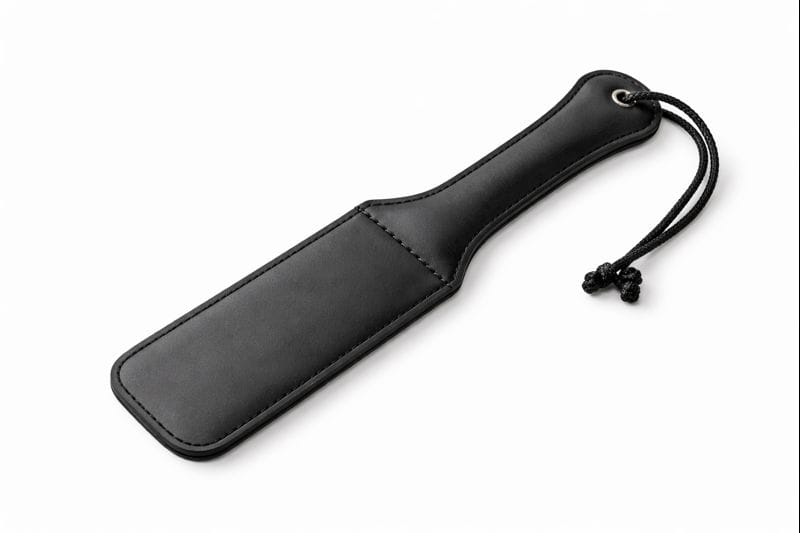
Paddles with padding
Padded paddles distribute impact more evenly and reduce sting. They're easier to control than rigid paddles and help beginners learn placement and rhythm. -
Soft riding crops
Soft crops offer a focused sensation without excessive force. They work best when used lightly and with careful aim. -
Flexible straps designed for beginners
Beginner straps are made to bend on impact, creating sensation without the sharpness of heavier materials.
Avoid heavy or rigid tools early on. These require more experience and control and can increase injury risk if used without proper technique.
Technique Matters More Than Strength
Good technique focuses on rhythm and control. Strength isn't necessary and often reduces precision. Controlled movement allows impact to feel intentional and adjustable rather than overwhelming.
Learning technique helps couples stay responsive to feedback and keeps the experience grounded and connected.
Technique tips
-
Strike from the wrist or forearm, not the shoulder
Smaller movements provide better control and accuracy. Shoulder swings increase force and reduce precision. -
Pause between strikes to check in
Brief pauses allow time to assess physical and emotional responses and adjust pacing if needed. -
Vary rhythm to manage intensity
Changing rhythm can increase sensation without hitting harder. Unpredictable timing often feels more intense than added force.
Slower often feels more intense than faster. Giving the body time to register each strike increases awareness and keeps impact play focused on sensation, trust, and communication rather than strength alone.
Physical Safety and Monitoring
Watch the body closely during impact play. Physical responses provide important information about comfort, circulation, and emotional state. Staying attentive allows partners to adjust before discomfort turns into harm.
Monitoring is an active process. Visual cues, breathing patterns, muscle tension, and verbal tone all matter. Checking in regularly helps ensure the experience stays within agreed boundaries.
Signs to slow or stop
-
Numbness or tingling
These sensations can indicate circulation issues or nerve stress. Impact should stop immediately if numbness appears. -
Skin turning pale or purple
Healthy skin should remain warm and pink. Color changes signal the need to pause and reassess. -
Sudden emotional distress
Tears, withdrawal, or visible anxiety are cues to stop and offer care. Emotional safety is just as important as physical safety.
Stopping early is always the right choice. Ending a scene to protect comfort and trust is a sign of responsibility, not failure.
The Emotional Side of Impact Play
Impact play can bring up strong emotions, even when planned. Vulnerability, adrenaline, and focus can create emotional highs during play and emotional sensitivity afterward. These responses are normal and deserve care.
Some people feel relaxed or euphoric, while others may feel unexpectedly emotional once the scene ends. Talking about emotions, offering reassurance, and practicing aftercare help partners process these feelings safely.
When couples acknowledge the emotional side of impact play and respond with patience and support, the experience becomes more trust-building and connecting rather than overwhelming.
Reassurance, presence, and aftercare help partners stay grounded. If emotional safety is a concern, review Emotional Safety for Couples Exploring New Sexual Adventures.
Aftercare Is Essential
Aftercare supports emotional and physical recovery. Impact play can create adrenaline shifts, heightened vulnerability, and emotional openness even when everything feels positive during the scene. Aftercare helps bring both partners back to a grounded, connected state and reinforces that care continues after the play ends.
Aftercare isn't optional or an afterthought. it's a core part of responsible impact play and one of the strongest trust builders for couples. Consistent aftercare makes future exploration feel safer and more secure.
Aftercare ideas
-
Holding or cuddling
Physical closeness helps regulate the nervous system and provides comfort after intense sensation or emotional exposure. -
Warm blanket or water
Warmth and hydration support the body as adrenaline levels settle. These simple acts can significantly improve comfort and grounding. -
Verbal reassurance and praise
Affirming words such as appreciation, gratitude, or reassurance help both partners feel valued and emotionally safe.
Thoughtful aftercare closes the experience with care. When partners know support follows impact play, trust deepens and confidence grows naturally over time.
Learn more in The Importance of Aftercare in Intimate and Lifestyle Experiences.
Debriefing After Impact Play
Debriefing helps couples learn safely. It gives both partners a chance to reflect on the experience while memories and sensations are still clear. Debriefing isn't about judging sexual performance, but about about understanding reactions, preferences, and comfort levels so future play feels better.
Keeping debriefs calm and supportive encourages honesty. When partners know they can speak openly without criticism, trust deepens and communication improves.
Helpful questions
-
What felt good?
Identifying positive moments reinforces what worked well and builds confidence moving forward. -
What felt too intense?
Noting intensity that crossed a line helps partners adjust pacing, technique, or tools next time without blame. -
What would we change next time?
Small changes help experiences evolve thoughtfully rather than repeating discomfort or uncertainty.
Debriefing builds trust. Regular reflection shows care, respect, and commitment to each other’s well-being.
Common Beginner Mistakes to Avoid
-
Skipping warm-up
Failing to warm up the body increases injury risk and reduces comfort. Warm-up prepares both skin and nervous system for impact. -
Using advanced tools too soon
Heavy or rigid tools require experience and control. Starting simple supports safety and learning. -
Ignoring emotional reactions
Emotional responses matter as much as physical ones. Pausing to address feelings keeps play healthy and connected. -
Skipping aftercare
Aftercare supports recovery and reassurance. Skipping it can leave partners feeling unsettled or disconnected.
Going slowly creates better experiences. Patience allows impact play to remain intentional, consensual, and confidence-building.
How Impact Play Fits Into Kink Exploration
Impact play often pairs with bondage or power dynamics but can also stand alone. For some couples, it becomes part of a larger scene with structure and roles. For others, light impact is simply another way to explore sensation and connection.
There is no required progression. Impact play fits best when it supports communication, consent, and emotional safety. When integrated thoughtfully, it becomes one tool among many that couples can choose based on curiosity, comfort, and shared desire.
For broader context, revisit Beginner’s Guide to Kink: How to Explore Safely and explore Kink, BDSM & Roleplay.
Try Light Impact Play Safely
If you're curious, choose light spanking with clear consent and safe words. Starting with a familiar, low-intensity form of impact play helps reduce uncertainty and keeps the focus on communication rather than performance.
Keep the first session short so both partners can notice physical and emotional responses without feeling overwhelmed. Pay attention to timing, check in between rounds, and stop immediately if anything feels off.
Finish with aftercare and a check-in. Reconnect through touch, reassurance, and a brief conversation about what felt good or what you might adjust next time. Small, thoughtful experiences are how impact play becomes a safe and confidence-building part of kink exploration.
- Save this guide for reference
- Discuss boundaries before trying anything
- Continue learning in Kink, Fetish & Exploration
Impact play is about trust and communication. When practiced responsibly, it can deepen connection and confidence between partners.
